Physical Address
304 North Cardinal St.
Dorchester Center, MA 02124
Physical Address
304 North Cardinal St.
Dorchester Center, MA 02124

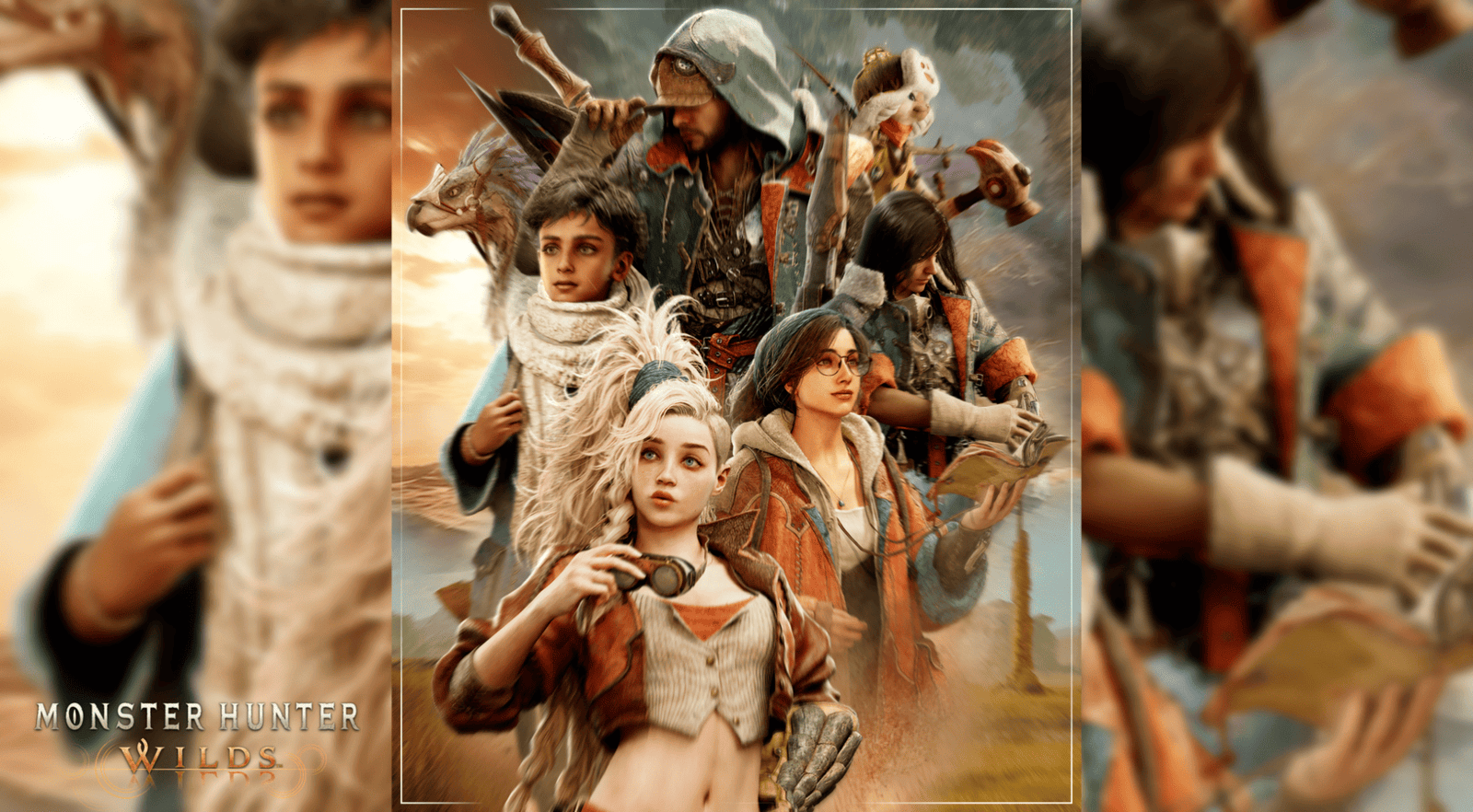
Monster Hunter Wilds has redefined the genre by introducing seamless open-world transitions, the tactical depth of Focus Mode, and the utility of the Seikret mount. However, the thrill of the hunt is a vast frontier. By 2026, the “boss-rush” and “action-hunting” genres have evolved significantly. Whether you are looking for more realistic physics, sci-fi anime aesthetics, or hardcore survival mechanics, there is a challenger waiting for you. We’ve sharpen our blades and tracked the fiercest beasts to bring you the definitive list of the 20 best games that capture that legendary “Monster Hunter” spark.
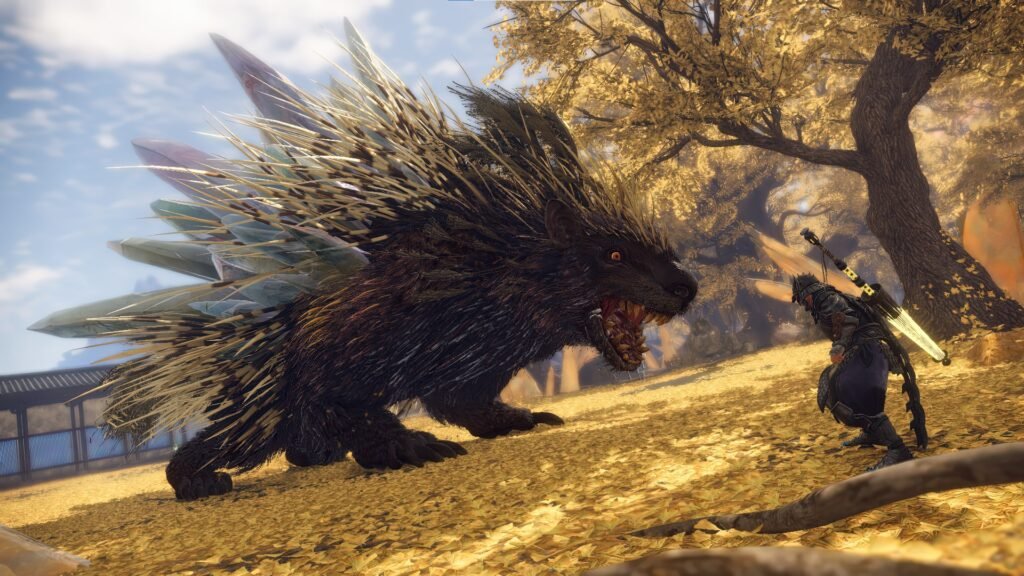
While technically released a few years ago, Wild Hearts remains the strongest competitor to the Monster Hunter throne in 2026. Set in the feudal Japan-inspired world of Azuma, you hunt “Kemono”—beasts infused with the power of nature. What sets this apart is the Karakuri system, which allows you to build giant mallets, gliders, and walls mid-combat.
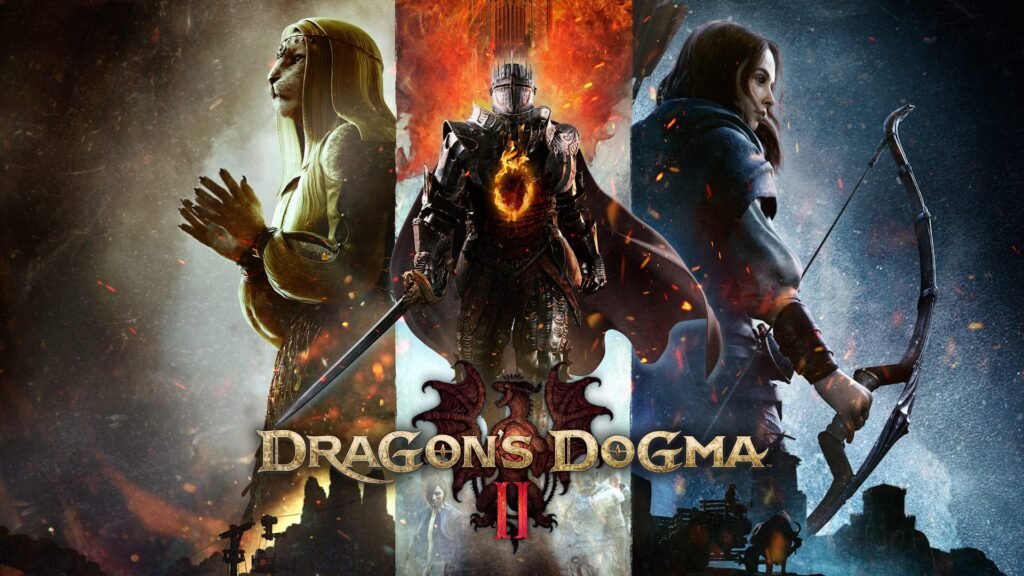
Capcom’s other flagship RPG shares the same RE Engine as Wilds, and it shows. While it features a more traditional fantasy world, the combat against Griffins, Chimeras, and Drakes is world-class. You can physically climb onto the monsters, stabbing them in the eye or severing their wings, much like the mounting mechanics in Wilds.
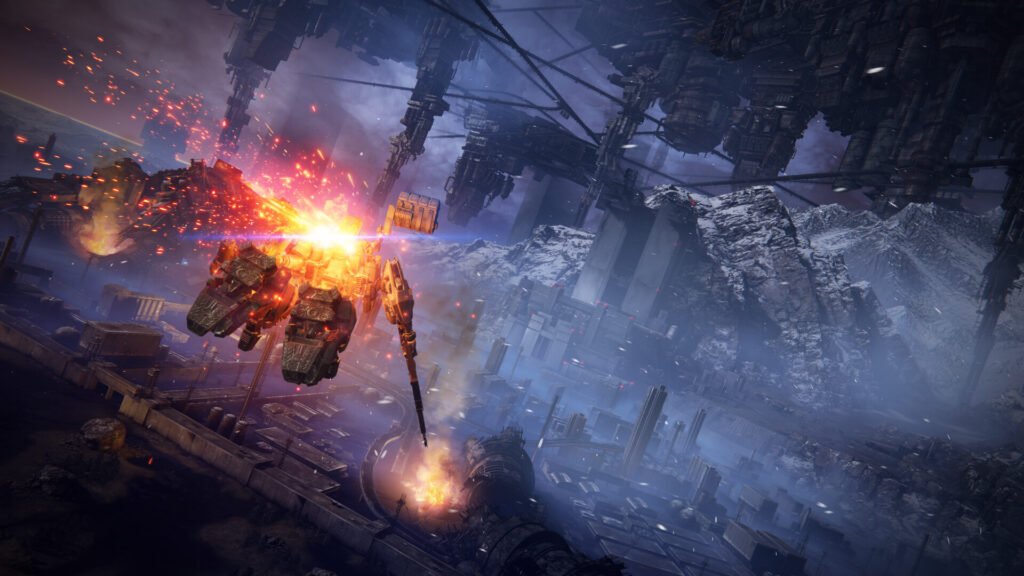
Released in 2025 and hitting its stride in 2026, Eternal Strands is a physics-based action game where you play as a Weaver named Brynn. You hunt massive, 25-meter-high creatures called Arks. The game encourages you to use the environment: you can freeze a monster’s legs with ice magic or burn the fur off a beast to reveal its weak points.
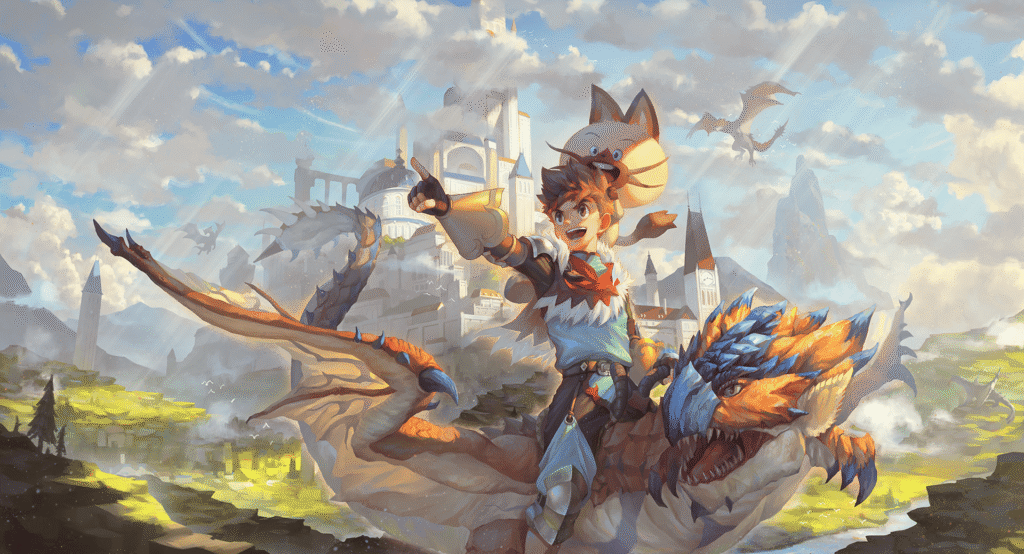
If you love the world and monsters of Wilds but want a break from the twitch-reflex combat, Stories 3 is the 2026 standout. It’s a turn-based RPG where you become a “Rider” instead of a Hunter. You hatch eggs, raise “Monsties,” and explore a narrative-heavy version of the Monster Hunter universe.
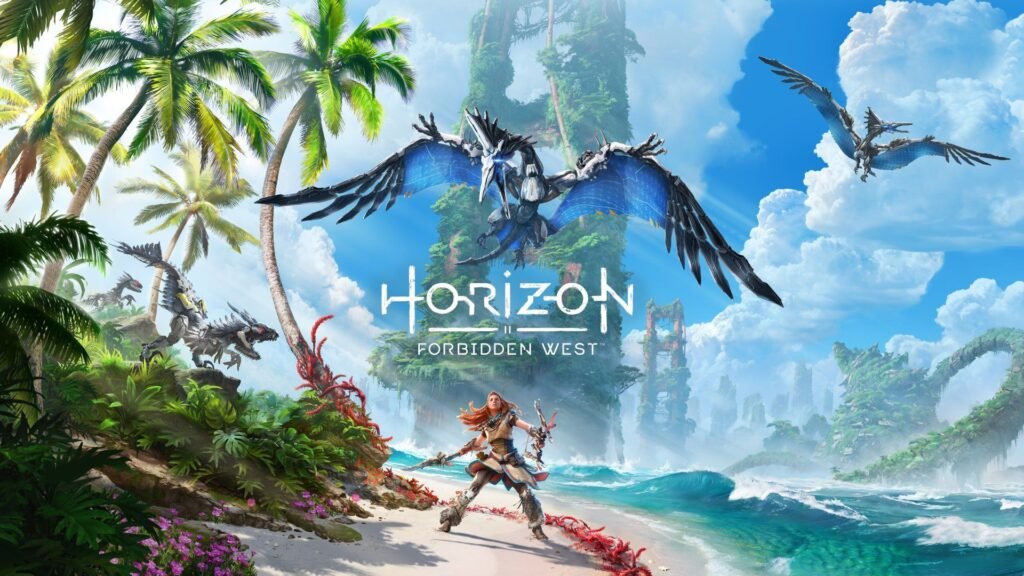
Aloy’s journey in the Forbidden West is essentially a high-tech monster hunt. Instead of biological beasts, you track machines. Just like in Wilds, you must use your “Focus” to scan parts, then strategically shoot off components like cannons or elemental canisters to craft better gear.
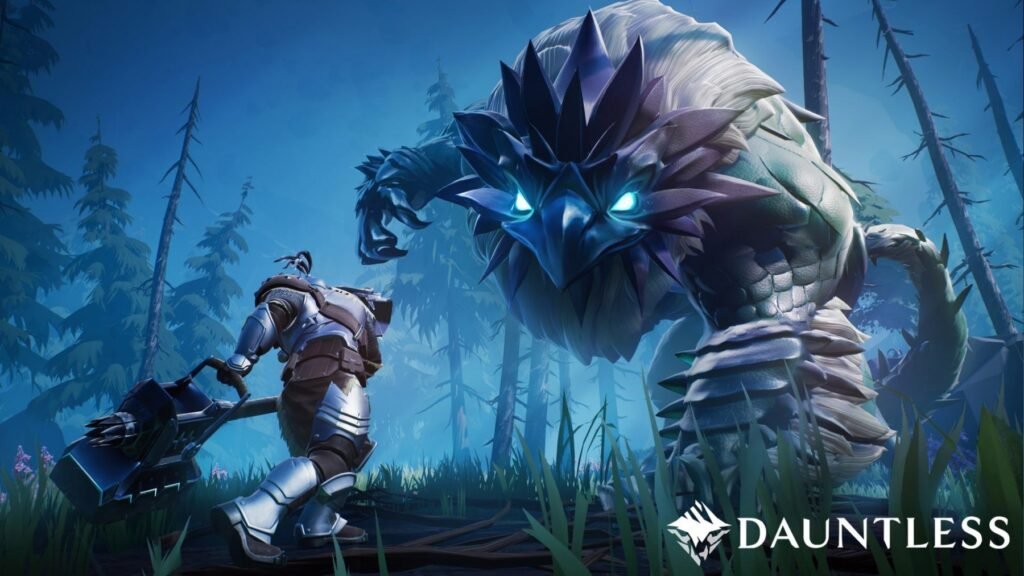
Dauntless offers a streamlined, “all-killer-no-filler” approach to the hunting genre. While games like Monster Hunter Wilds focus heavily on the ecosystem and tracking, Dauntless drops you and your team directly onto “Floating Islands” to face off against Behemoths. The combat is fast, fluid, and relies on a unique “Cell” system for building your character, allowing for insane customization that can turn your hunter into an unkillable tank or a glass-cannon speedster.
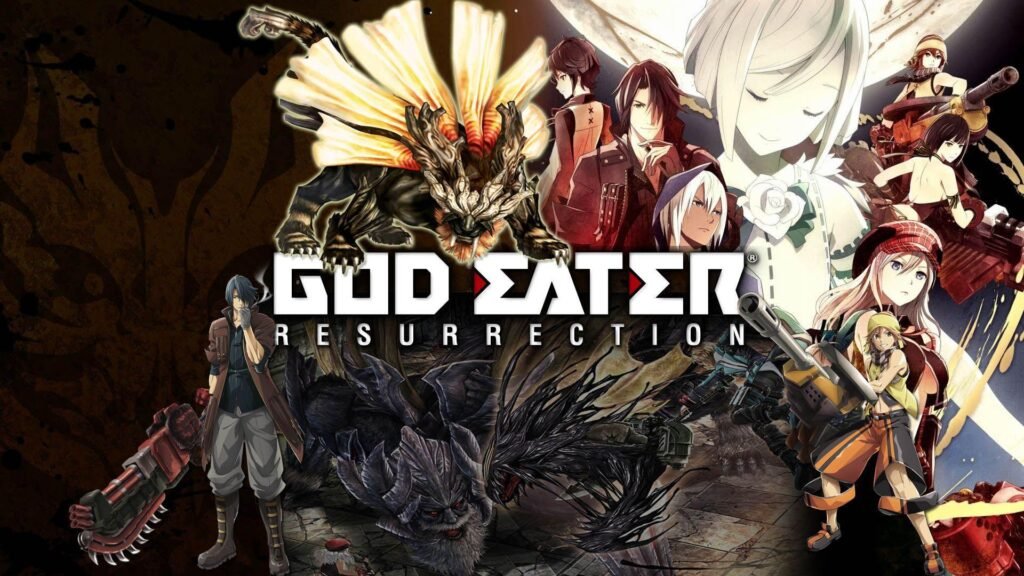
If Wilds feels too slow or methodical for you, God Eater 3 is the adrenaline shot you need. In this post-apocalyptic world, you hunt “Aragami” using God Arcs—massive biological weapons that can transform between melee blades and long-range cannons at the press of a button. The combat is incredibly vertical and focuses on a “Devour” mechanic where your weapon literally grows teeth to bite the monster, stealing its power to enter a “Burst” state.
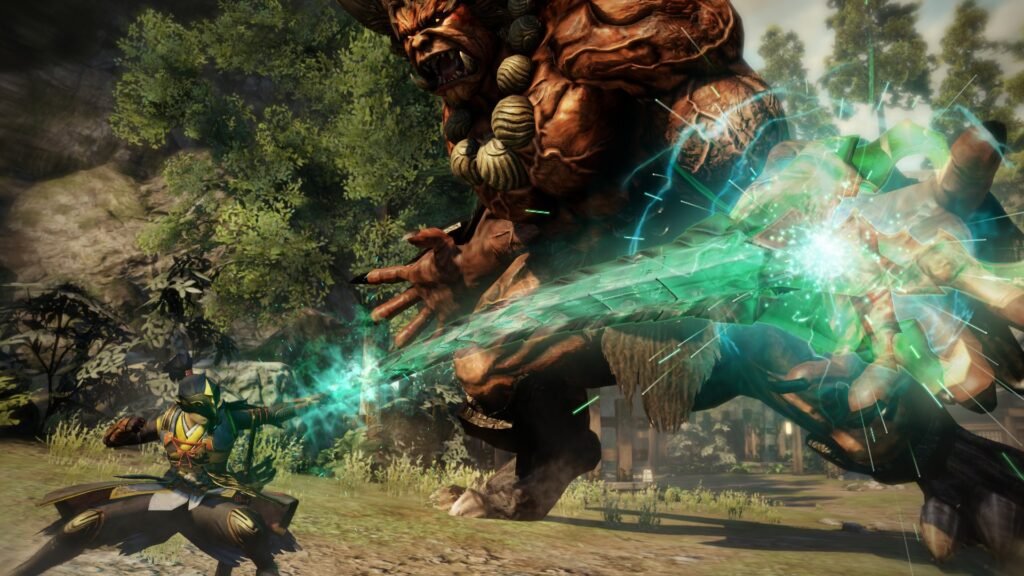
Toukiden 2 was one of the first games to successfully bridge the gap between “Hunting” and “Open World” before Wilds made it famous. Set in a world inspired by Japanese history and mythology, you play as a Slayer protecting humanity from “Oni” (demons). The standout feature is the Demon Hand, a magical spectral gauntlet that lets you grapple onto monsters, pull them to the ground, or even rip off their limbs to permanently weaken them
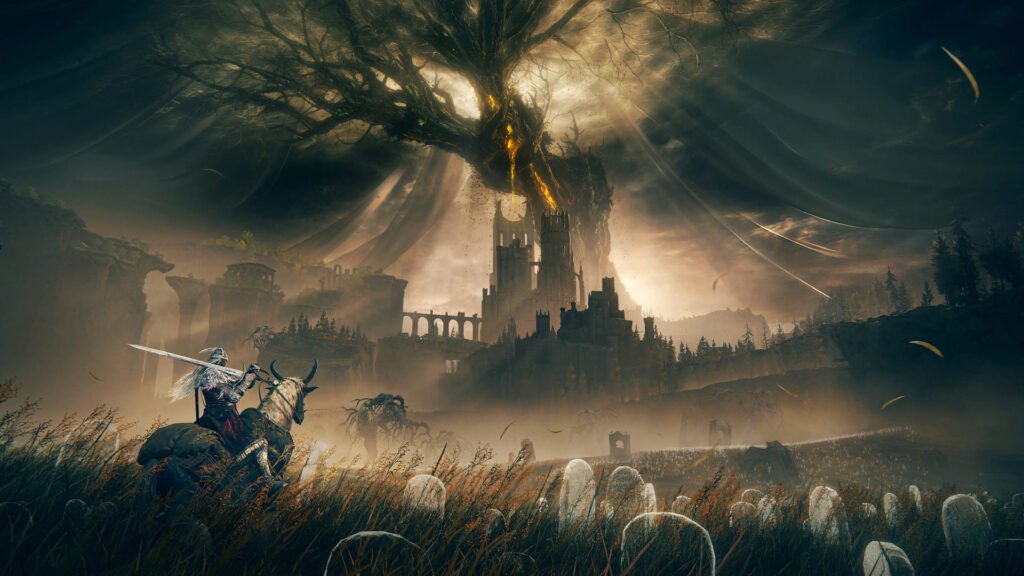
While technically a “Soulslike,” Elden Ring—specifically with the Shadow of the Erdtree expansion—features some of the most spectacular beast-hunting in gaming history. From the Divine Beast Dancing Lion to the gargantuan Bayle the Dread, these encounters require the same level of observation, timing, and preparation as any Elder Dragon hunt. You must learn the monster’s “tells,” manage your stamina, and use the right elemental affinities to survive.
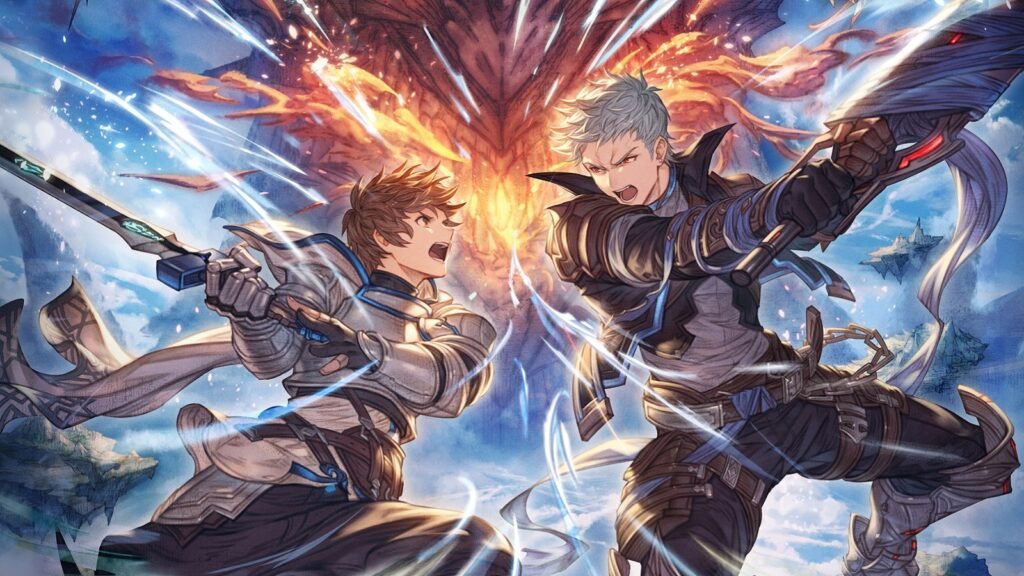
Granblue Fantasy: Relink is what happens when you combine a classic Japanese RPG with the endgame loop of Monster Hunter. After finishing a 15-hour cinematic campaign, the game opens up into a massive “Quest Counter” mode. Here, you and three friends take on “Primal Beasts”—god-like entities with millions of HP and complex “MMO-style” mechanics like area-of-effect (AoE) blasts and ultimate “DPS checks.”
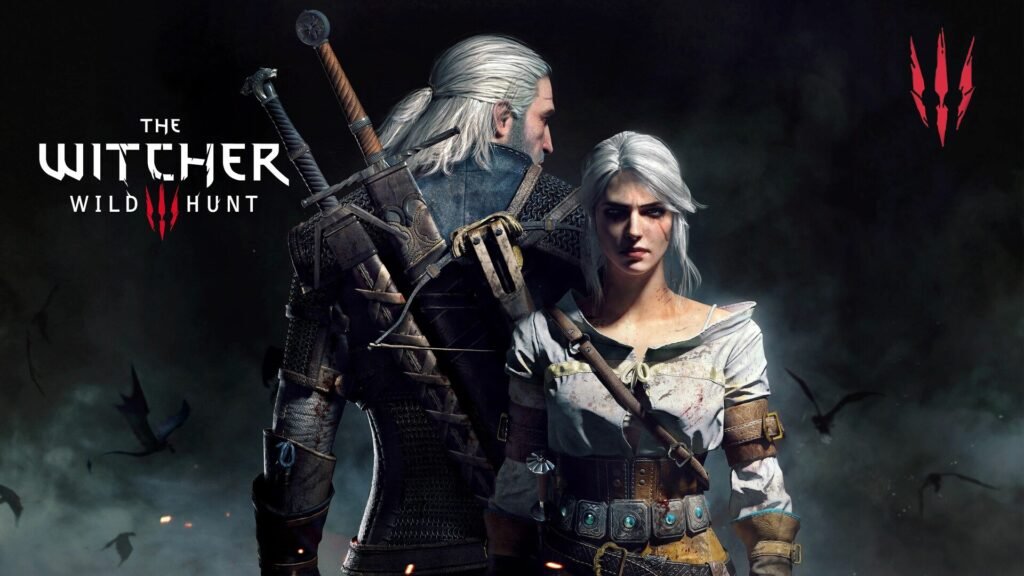
While Geralt of Rivia is a story-driven protagonist, he is a Monster Hunter by trade. The “Witcher Contracts” in this game are some of the most immersive hunting experiences ever designed. You don’t just find a beast and kill it; you interview witnesses, examine tracks, and use your “Witcher Senses” to identify the creature. Once identified, you must read your Bestiary to learn which Oils, Potions, and Signs (magic) will actually hurt it.
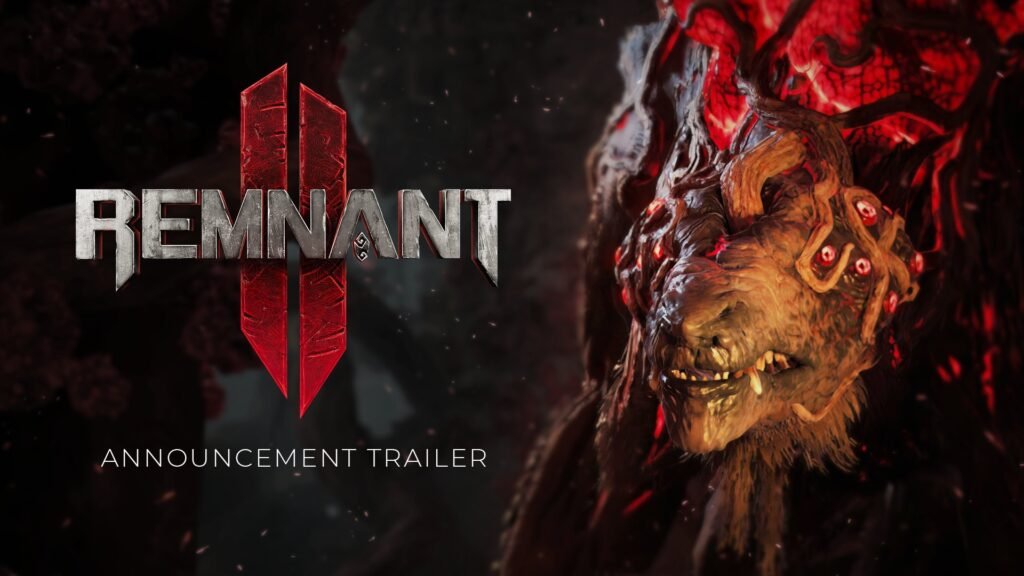
Often described as “Dark Souls with guns,” Remnant 2 is actually much closer to a sci-fi Monster Hunter. You travel through portals to alien worlds—ranging from gothic cities to terrifying biological hive-minds—to slay bosses. Each boss has a “Standard” kill and an “Alternative” kill; for example, if you break a specific part of a boss’s armor before killing it, you get a different material used to craft a unique weapon or mod.
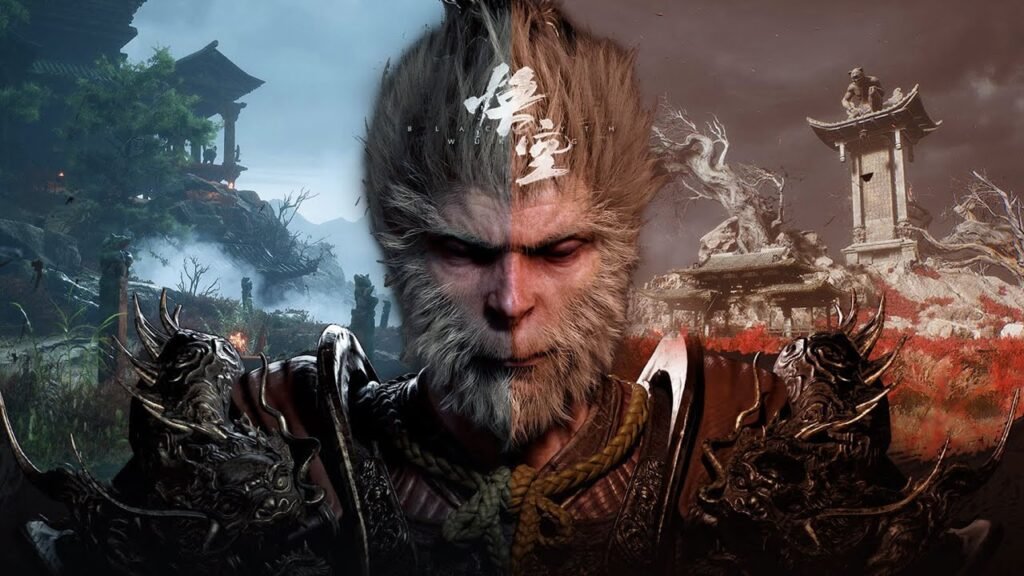
Based on the classic Journey to the West, Black Myth: Wukong is a boss-rush masterpiece. You play as the Destined One, a monkey warrior who uses a magical staff and transformations to defeat over 80 unique bosses. While it lacks the “crafting” focus of Wilds, it excels in “Monster Design.” You’ll fight massive giant beetles, elder dragons, and mythical warriors in cinematics that push the Unreal Engine 5 to its limits. Check this list of games like Black Myth: Wukong
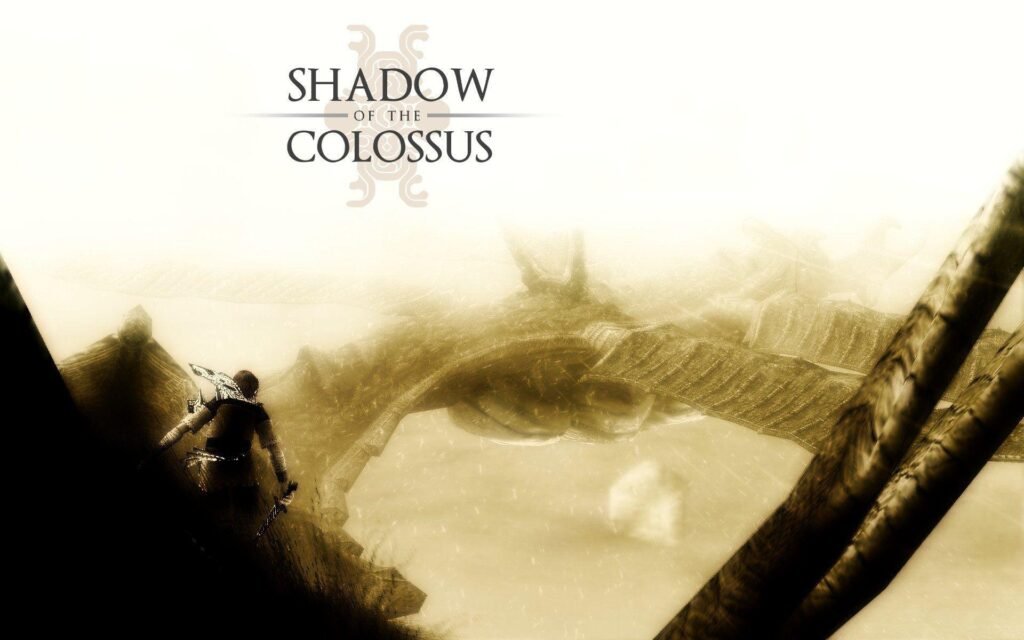
This is the “purest” monster hunting game in existence. There are no small enemies, no towns, and no leveling up. There are only 16 “Colossi”—mountain-sized titans that you must find and destroy. Each fight is a giant, living puzzle. You have to figure out how to climb the beast’s fur, navigate its moving body while it tries to shake you off, and find the glowing sigils that act as its weak points.
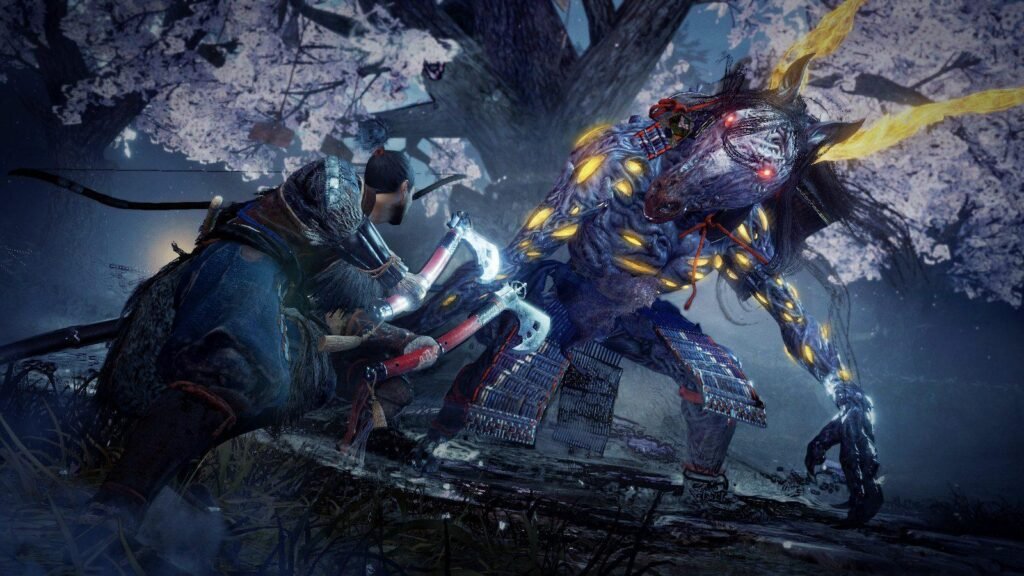
Nioh 2 is perhaps the most mechanically deep action game on this list. While it is mission-based, the “Yokai” (demons) you fight are terrifyingly intelligent. You have a “Ki” (stamina) management system called the “Ki Pulse” and three different weapon stances (High, Mid, Low) for every weapon. Like Wilds, you collect “Soul Cores” from defeated monsters, allowing you to use their moves in battle.
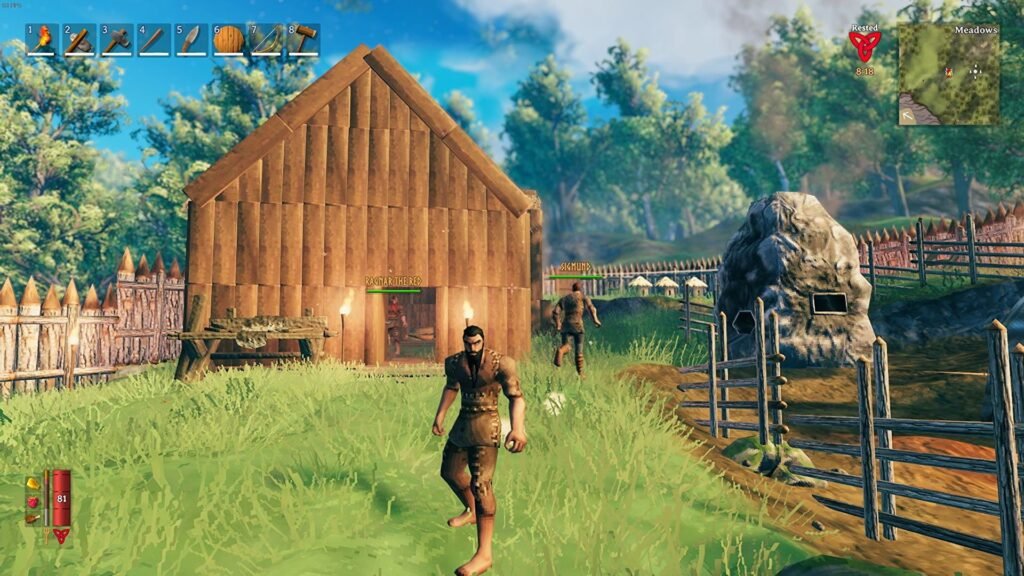
Valheim takes the “Kill monster to get gear” loop and puts it into a brutal Viking survival world. To progress, you must summon and defeat five “Forsaken” bosses. You can’t just run to the next boss; you have to mine tin and copper, build a forge, craft bronze armor, and prepare high-quality food to stand a chance. It is a game about the journey of becoming a master hunter.
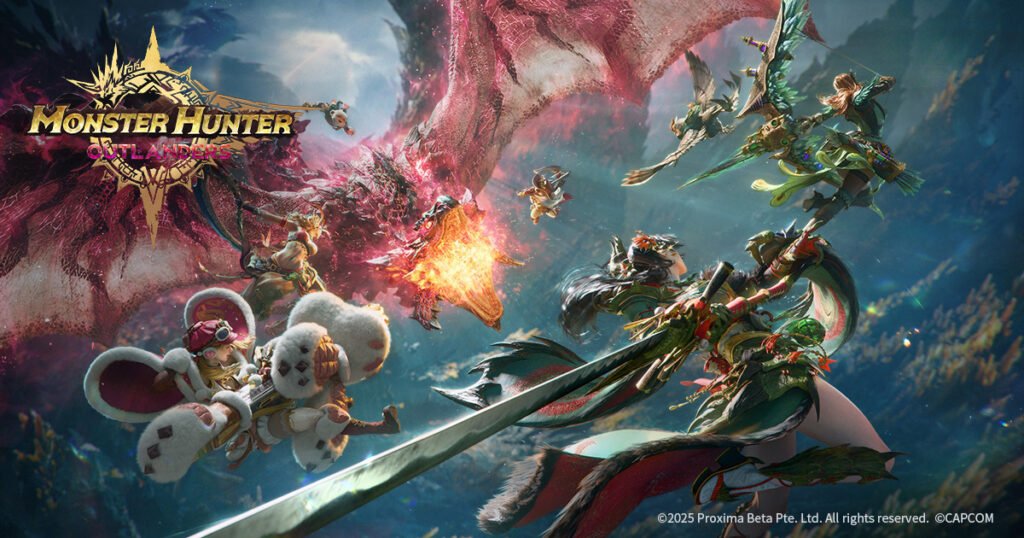
This is Capcom’s official 2026 mobile blockbuster. Developed specifically to bring the Wilds experience to smartphones, Outlanders features a seamless open world, 4-player co-op, and a new survival-lite building system. You can chop trees and mine ore to build “Wind Blowers” and “Ziplines” to traverse the terrain, much like the utility tools in Wilds.
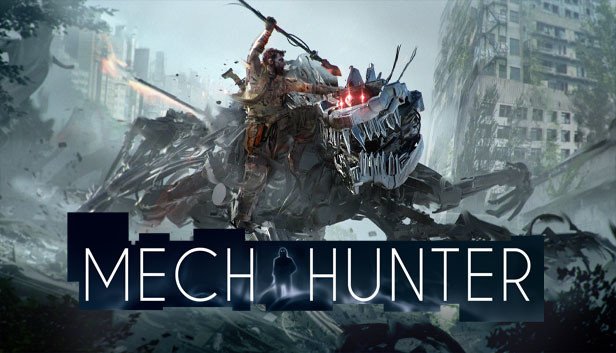
Phase Zero is a newcomer in 2026 that asks the question: “What if you hunted monsters with a 20-foot tall customizable mech?” Set on a colonized planet where the local wildlife has evolved into bio-mechanical nightmares, you pilot a “Phase Suit.” The game features a fully destructible environment—if a monster misses a charge, it might bring down a skyscraper on top of itself.
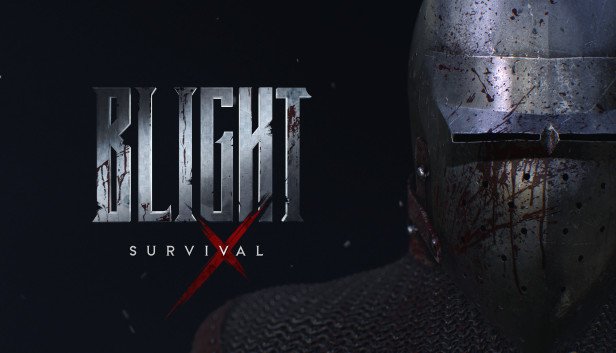
Blight: Survival is a 4-player co-op “extraction-horror” game set in a medieval world plagued by a biological infection. You enter “The No Man’s Land” between two warring kingdoms to hunt down twisted, mutated monsters. The combat is incredibly grounded and visceral, focusing on “Weak Point” strikes and defensive positioning.
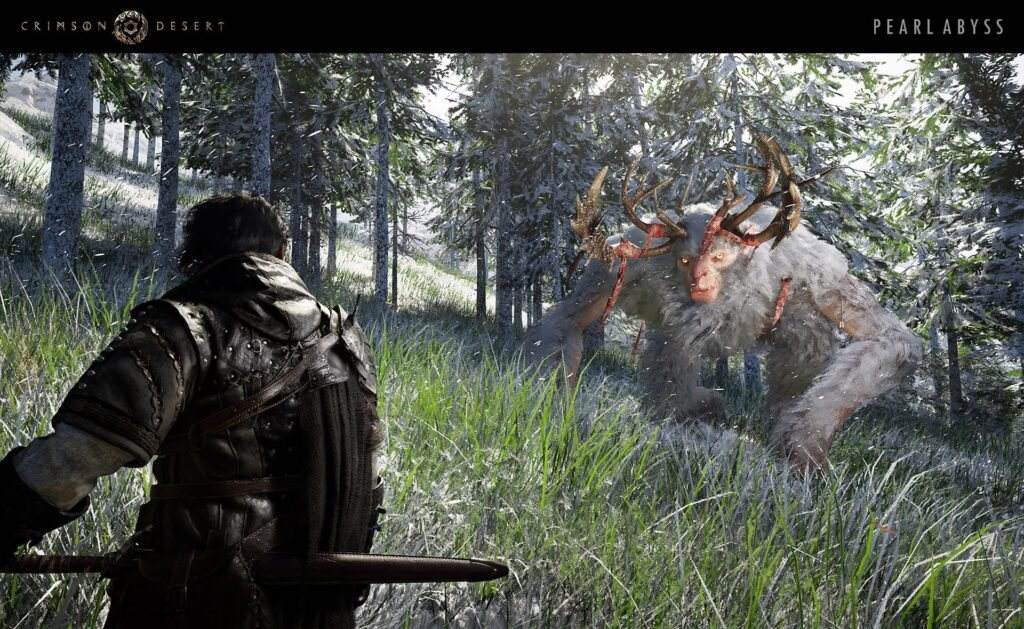
The 2026 masterpiece from Pearl Abyss, Crimson Desert, is a sprawling open-world action-RPG that features some of the most advanced monster-climbing mechanics ever seen. You play as Kliff, a mercenary leader who takes on contracts to slay massive mythical beasts. The game blends the cinematic storytelling of The Witcher with the complex “Boss Mechanics” of Monster Hunter.
Wild Hearts is the most direct alternative. It features a similar “hunt-loot-craft” loop, massive nature-inspired monsters, and a unique building mechanic that mirrors the tactical utility of the Seikret and Focus Mode in Wilds.
Yes! Dauntless is a fantastic free-to-play option that focuses on fast-paced boss battles and co-op play. Additionally, Monster Hunter Outlanders (the 2026 mobile release) offers a free-to-play open-world experience for hunters on the go.
Absolutely. While games like Granblue Fantasy: Relink and Dauntless are designed with co-op in mind, every game on this list—especially Dragon’s Dogma 2 and Elden Ring—provides a deep, rewarding experience for solo players.
The core “Hunting” genre is defined by three pillars:
In 2026, the hunting genre has never been more vibrant. While Monster Hunter Wilds remains the gold standard for ecosystem simulation and mechanical polish, the alternatives listed above prove that “The Hunt” can take many forms.
Whether you want the physics-based chaos of Eternal Strands, the cinematic storytelling of The Witcher 3, or the high-tech mechanical warfare of Phase Zero, there is a world out there waiting to be conquered. The best part? Each of these games respects the player’s time by rewarding skill, preparation, and persistence. So, sharpen your blades, check your supplies, and prepare to drop into your next favorite world.
We want to hear from you! Which of these games is currently sitting in your “Next to Play” queue? Did we miss a hidden gem that deserves a spot on this list?
Drop a comment below and let us know your favorite monster-slaying memory!




play FNF mods online is a helpful resource for finding different Friday Night Funkin mods in one place. The page is easy to browse and quick to use.