Physical Address
North Macedonnia, Strumica
S.Sushevo Ul. BR.34, Vasilevo
Physical Address
North Macedonnia, Strumica
S.Sushevo Ul. BR.34, Vasilevo

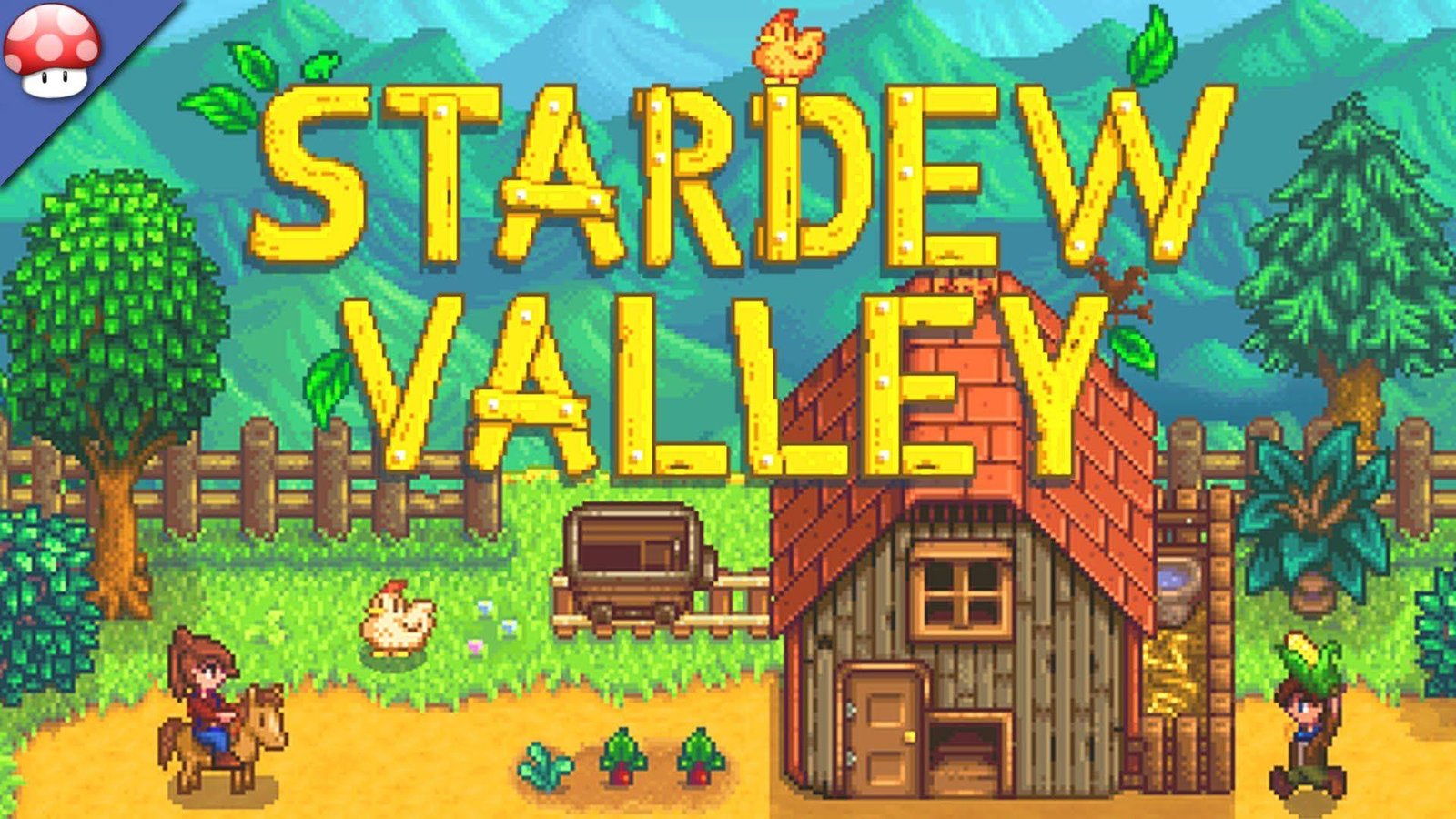
By 2026, the “Stardew-like” has become its own established sub-genre. What started as Eric “ConcernedApe” Barone’s love letter to Harvest Moon has sparked a revolution of “wholesome” titles that prioritize community, creativity, and the slow life. Whether you are waiting for the elusive Haunted Chocolatier or just need a new digital garden to tend, the market is currently overflowing with high-quality alternatives.
This list covers 20 games that capture the magic of Pelican Town—from the classic crop-and-gift loop to innovative new mechanics like magical combat, prehistoric community building, and urban environmental restoration. Grab your watering can and some hot chocolate; your next obsession starts here.
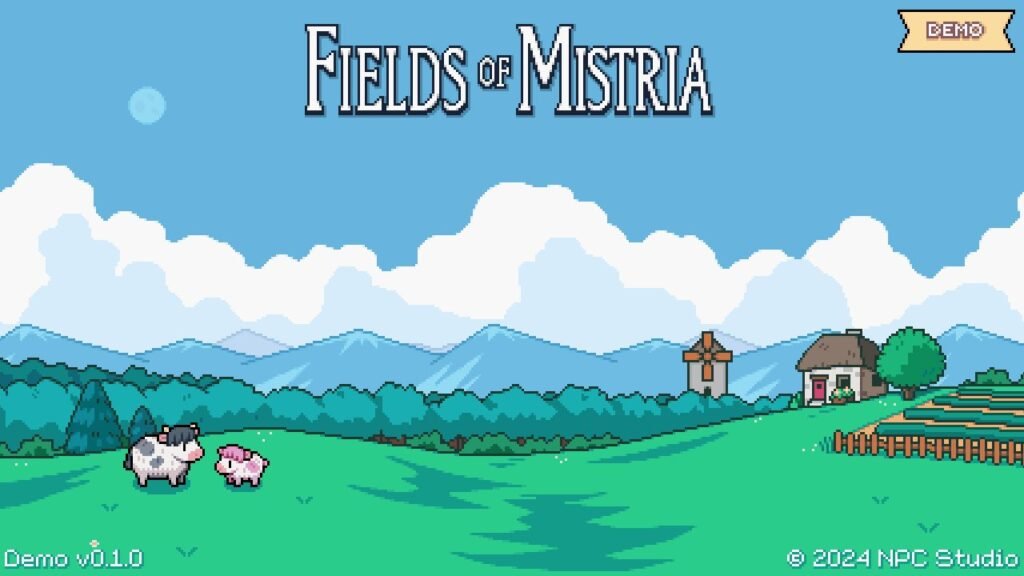
In 2026, Fields of Mistria has officially launched its 1.0 version, and many critics call it the true “Stardew 2.0.” It features a stunning 90s anime aesthetic that feels like Sailor Moon met a farming sim. The game improves on the Stardew formula with more fluid movement, a “Magic” system for farming, and deeper NPC interactions. Its 2026 update added marriage, children, and the completion of the massive “Mines” questline. It captures that perfect balance of nostalgia and modern quality-of-life improvements that fans of the genre crave.
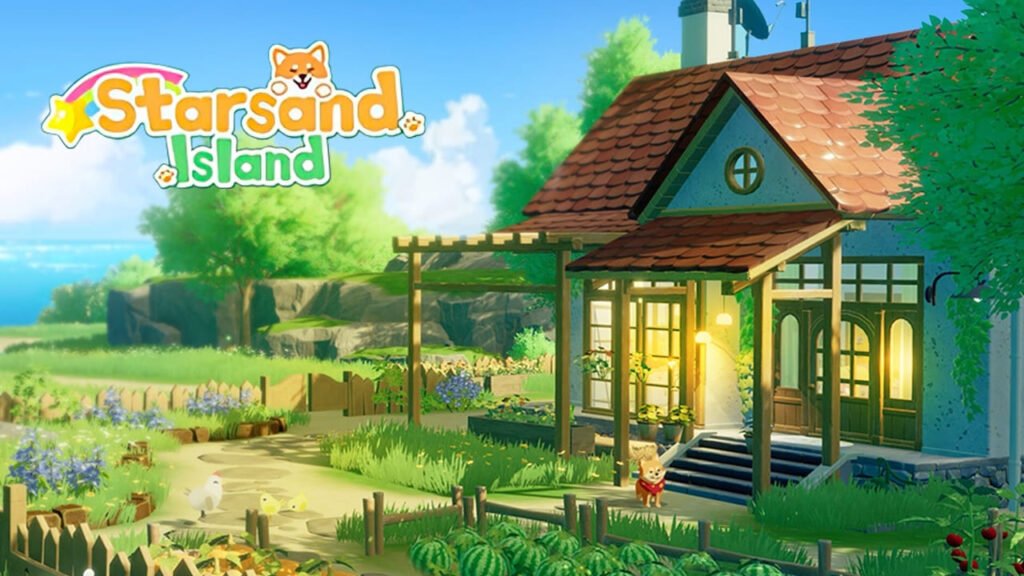
A 2026 breakout hit, Starsand Island takes the cozy formula to a Ghibli-inspired tropical paradise. Unlike the grid-based farming of Stardew, Starsand offers a beautiful 3D world where you can design your ranch with total freedom. The game features five distinct career paths: farming, ranching, crafting, fishing, and exploration. What sets it apart in 2026 is the “Tourist System,” where random visitors come to your island, making the world feel much larger than a 30-person village. It’s the ultimate “vacation” game for those tired of the rain in Pelican Town.
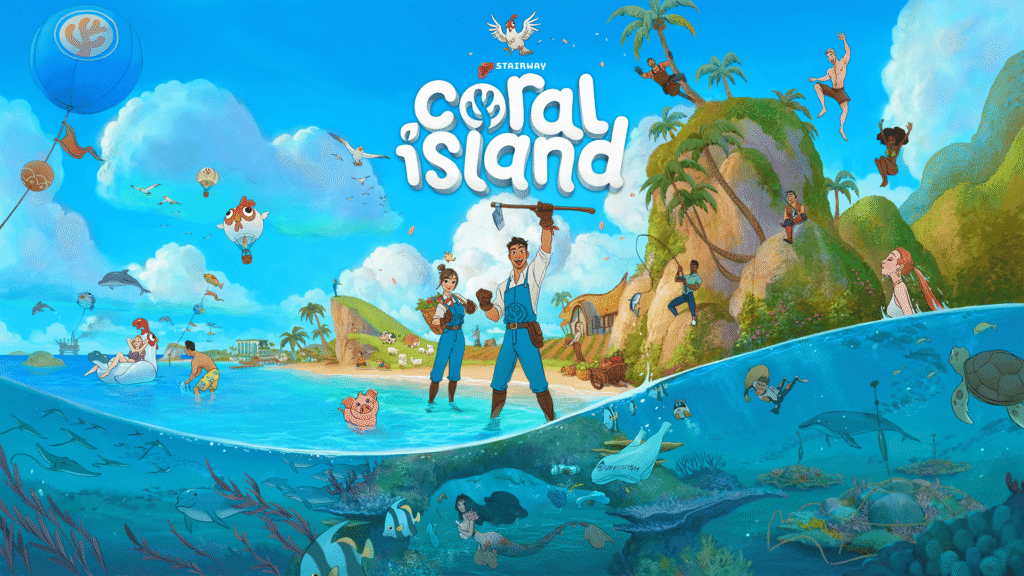
Coral Island is widely considered the most “visually polished” Stardew-like available today. Set on a tropical island, it places a heavy emphasis on environmentalism. You aren’t just farming; you are diving into the ocean to clean up trash and restore the coral reefs. In 2026, the game’s “Merfolk Kingdom” has been fully expanded, allowing players to build relationships and even marry characters beneath the waves. It features a massive cast of diverse, romanceable NPCs and a 3D art style that makes every festival feel like a cinematic event.
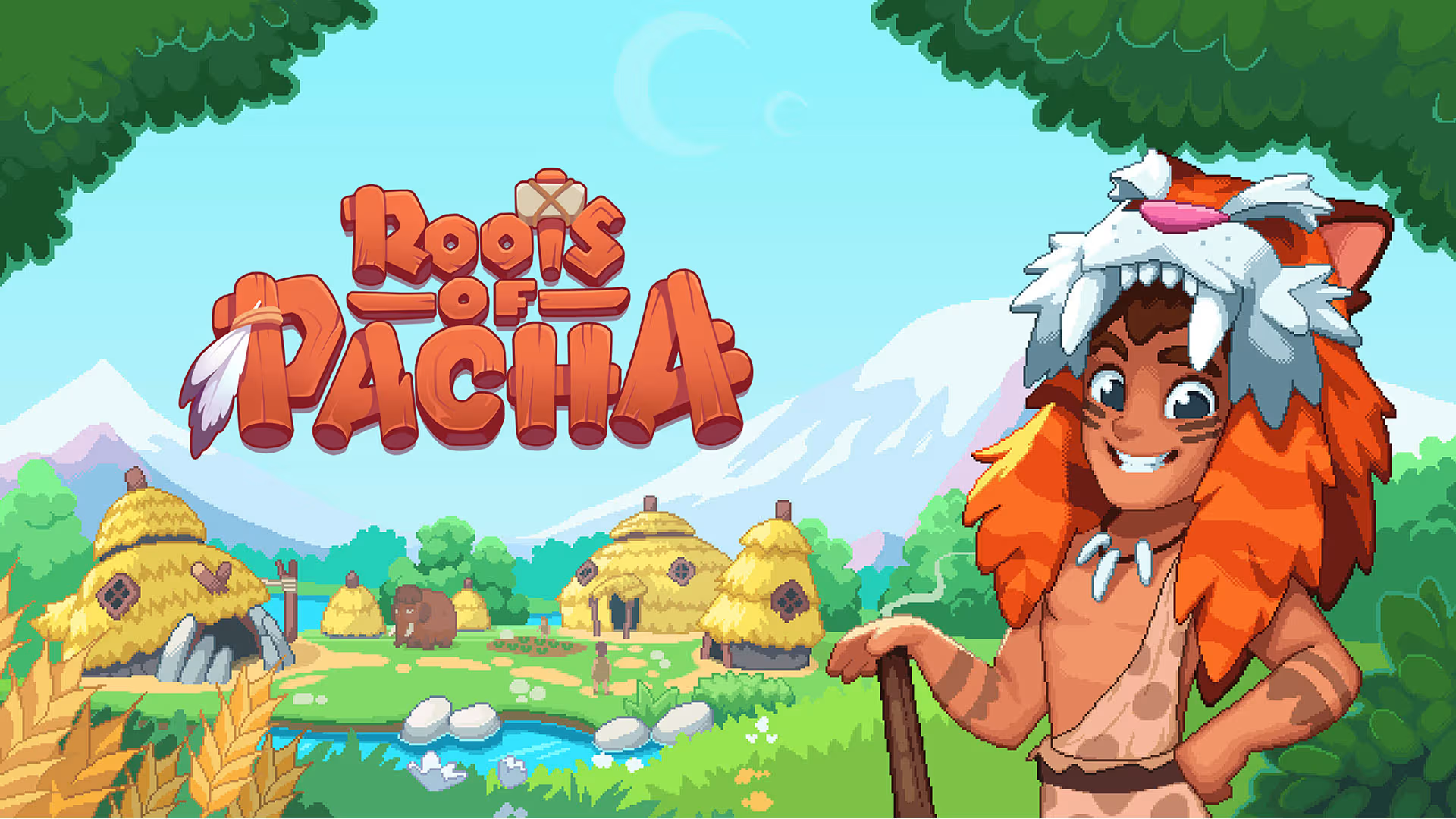
Ever wondered what farming was like at the dawn of civilization? Roots of Pacha moves the setting to the Stone Age. Instead of buying seeds from a shop, you must discover and “domesticate” wild plants. The game replaces “Money” with “Contribution,” focusing on the growth of your entire clan rather than just your personal wealth. In 2026, its “Great Migration” update added new biomes and ancient technologies. It’s a refreshingly communal experience that proves you don’t need a tractor or a JojaMart to have a deep, rewarding farming loop.
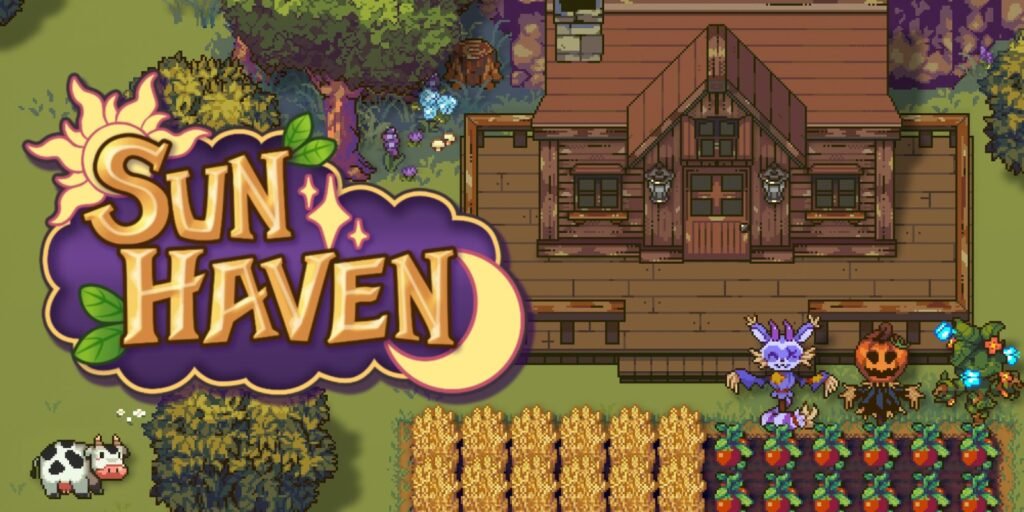
If you wish Stardew Valley had more Dungeons & Dragons, Sun Haven is the answer. It is a “Fantasy Farming RPG” where you can choose between races like Elves, Demons, or even Elementals. The game features three distinct cities to live in, each with its own theme and romance options. In 2026, the “multiplayer world-sync” has been perfected, allowing you and your friends to run a massive magical farm together. With a literal skill tree for combat and spells to water your crops, it’s the most “feature-rich” game on this list.
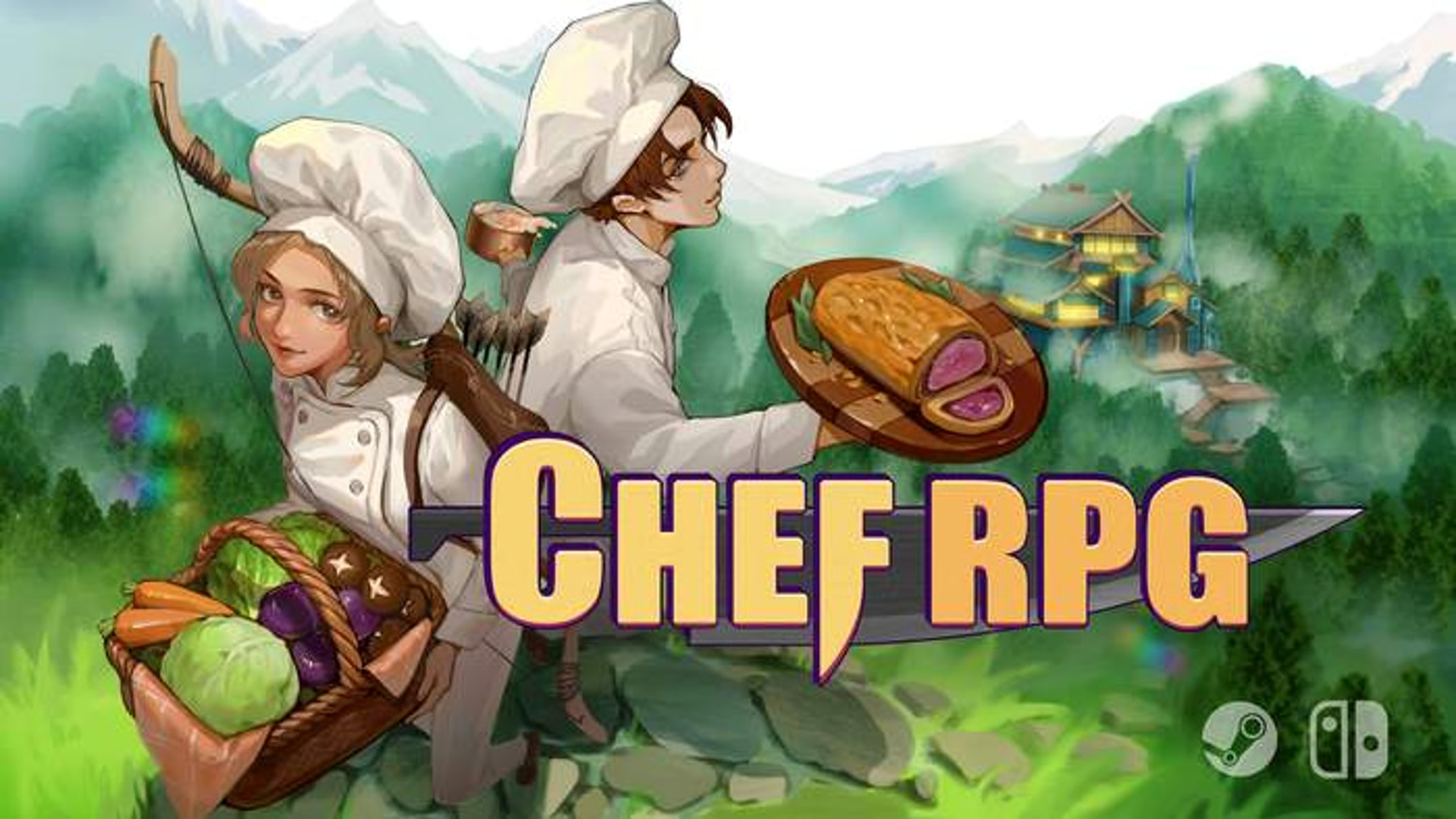
Launched into full release in 2026, Chef RPG focuses on the “Farm-to-Table” pipeline. You manage a restaurant in the beautiful seaside town of Le Sequoia. You’ll forage in the wild, hunt for rare ingredients, and cultivate your own garden to create world-class dishes. The 2026 “Flavors” update added deep research trees and sea traders. It’s perfect for players who loved the “Cooking” and “Artisan Goods” aspect of Stardew but wanted a more complex business management layer to go along with it.
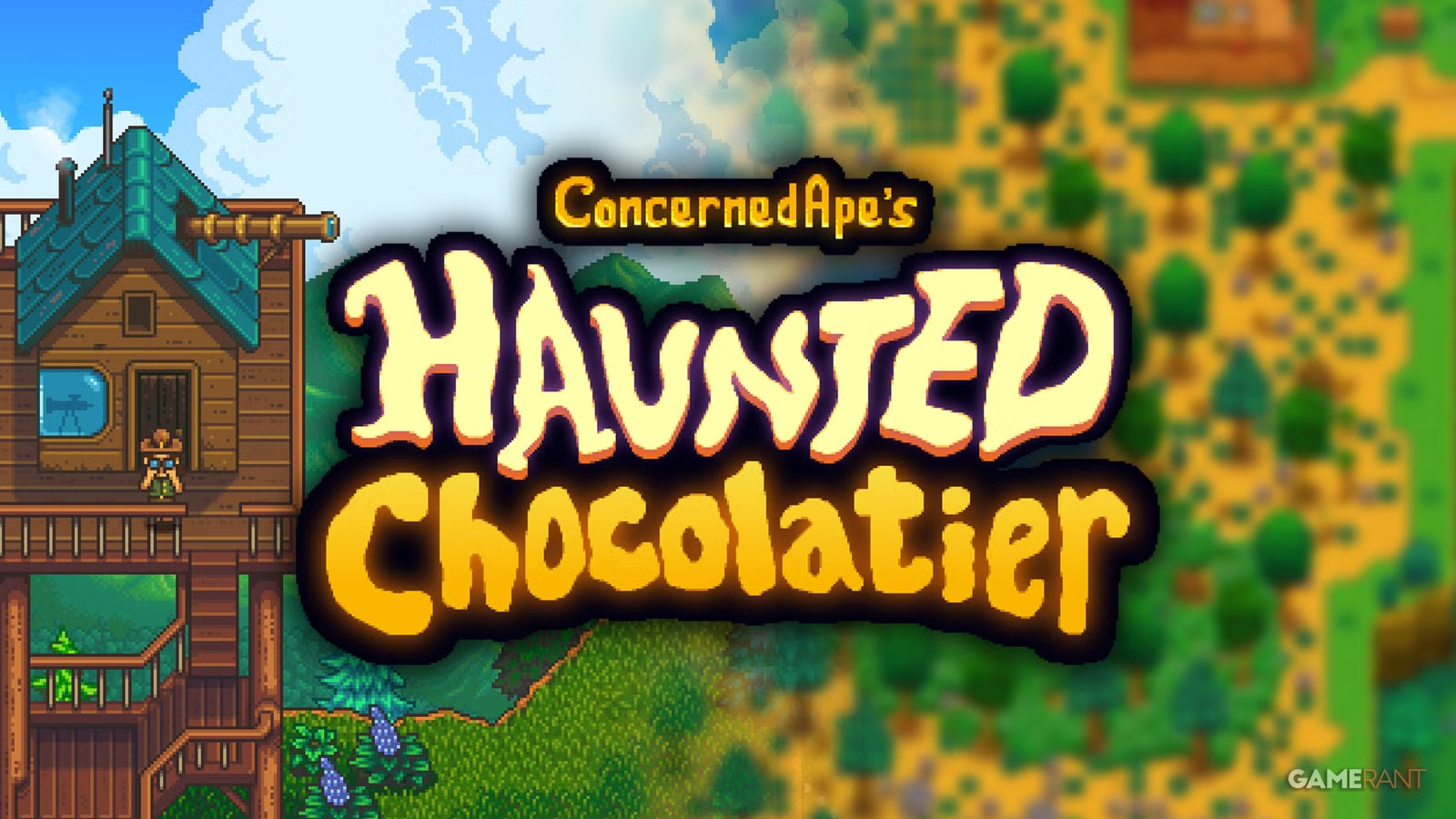
The highly anticipated next project from ConcernedApe. As of 2026, the game is still in development, but new devlogs have showcased an “intuitive” chocolate-making system and a more combat-focused loop than Stardew. You live in a haunted castle, gather ingredients from a magical portal, and run a chocolate shop. While we are still waiting for a firm release date, the hype remains at an all-time high. It’s expected to be the “darker, more fantastical” sibling to Stardew Valley.
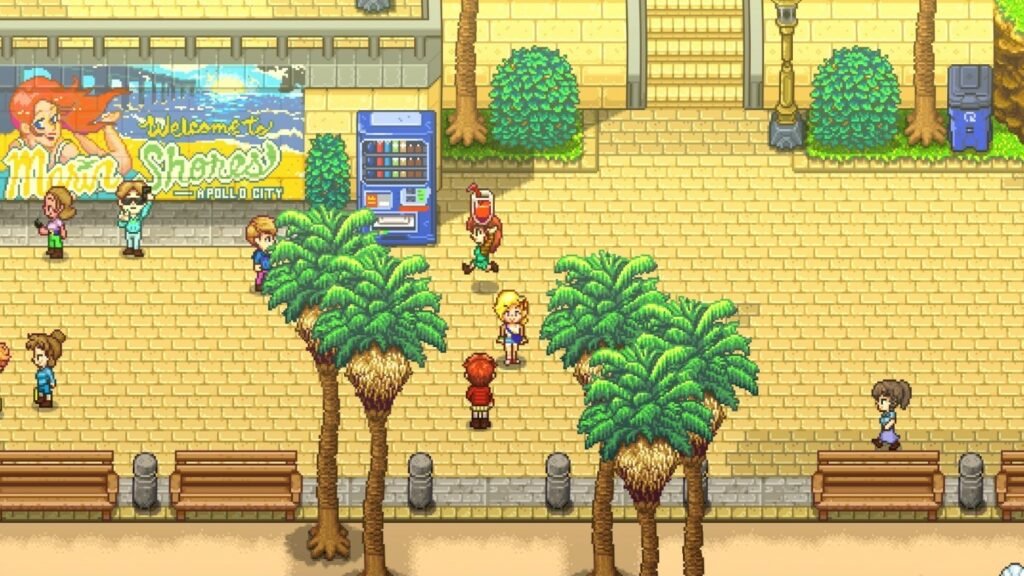
Developed by a former Stardew Valley collaborator, Sunkissed City moves the cozy vibes from the countryside to a bustling metropolis. You take a job at the “Piko” corporation and help revitalize the city’s green spaces. It features the same pixel-art charm as Stardew but adds urban activities like visiting record stores, customizing your apartment, and navigating city drama. It’s a brilliant “reverse” of the Stardew premise—instead of leaving the city to find peace, you are bringing peace to the city.
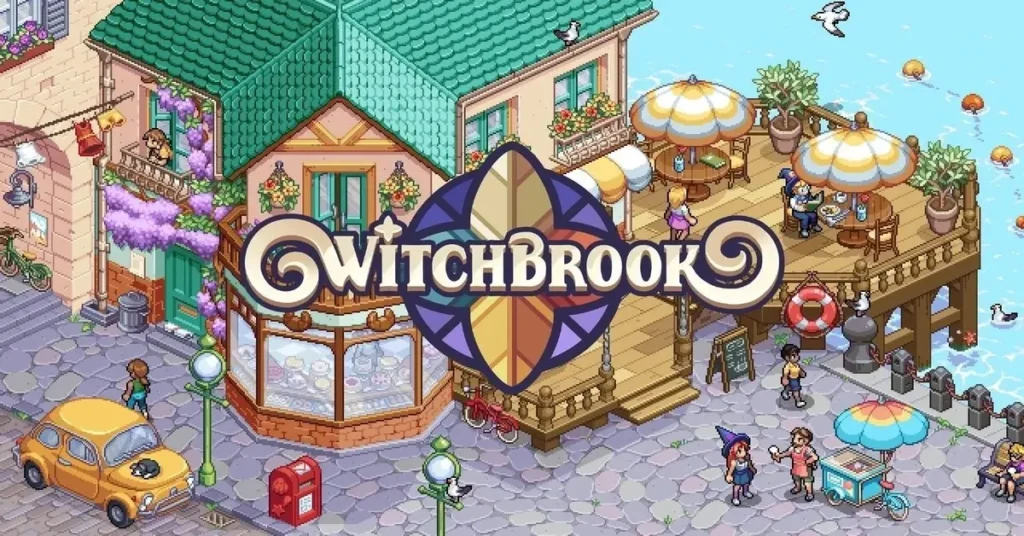
Published by Chucklefish, Witchbrook is the “Harry Potter meets Stardew” game we’ve all been dreaming of. You play as a student at a magic school, attending classes, learning spells, and navigating the social hierarchy of your peers. In 2026, the game’s “Seasonal Festivals” are its standout feature, offering a level of atmospheric detail that rivals the best in the genre. It’s less about “Industry” and more about “Academics and Romance,” set in a gorgeously detailed isometric world.
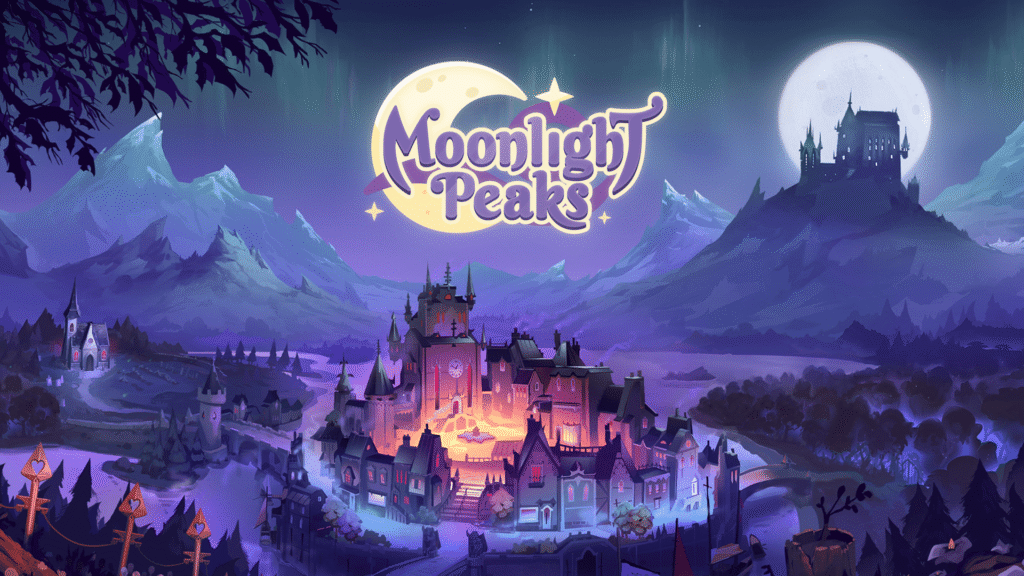
A “Spooky-Cozy” farming sim where you play as a vampire trying to live a peaceful life. Instead of sleeping at night, you work under the moon. You’ll grow cursed crops, brew potions, and try to prove to your vampire father that humans and vampires can coexist. In 2026, it has become a favorite for “Halloween-season” gaming. Its 3D world is full of gothic charm, and the ability to turn into a bat to traverse your farm is a literal game-changer for movement.
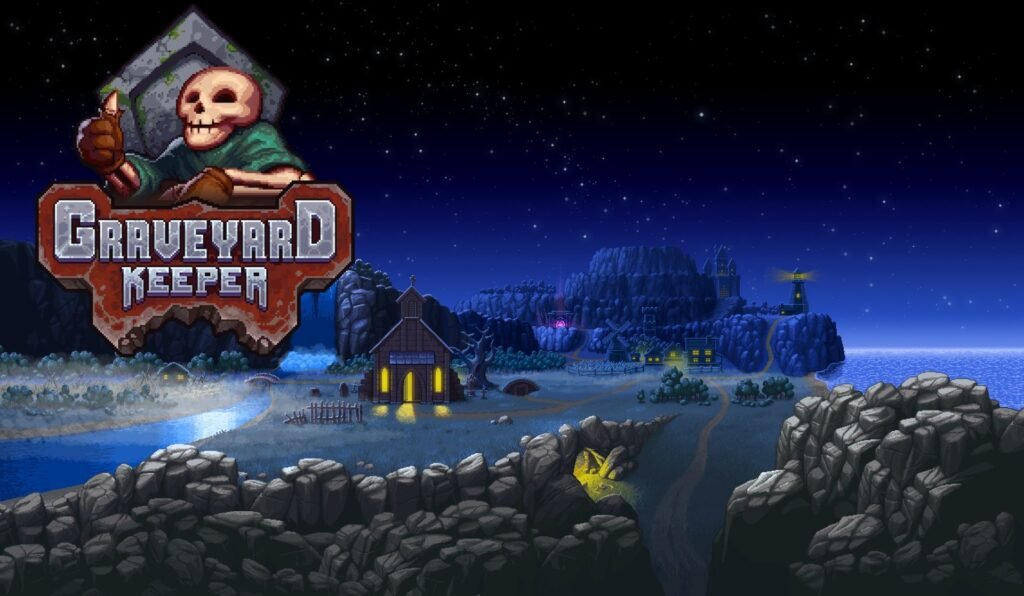
Often called “The Unethical Stardew Valley.” You manage a medieval cemetery, deal with local church politics, and find… creative ways to dispose of bodies. It’s a darker, more humorous take on the management genre. By 2026, its suite of DLCs has expanded the game into running a tavern and managing a soul-extraction business. If you like Stardew’s “efficiency” but want a story that isn’t afraid to get a little bit morbid, this is a must-play.
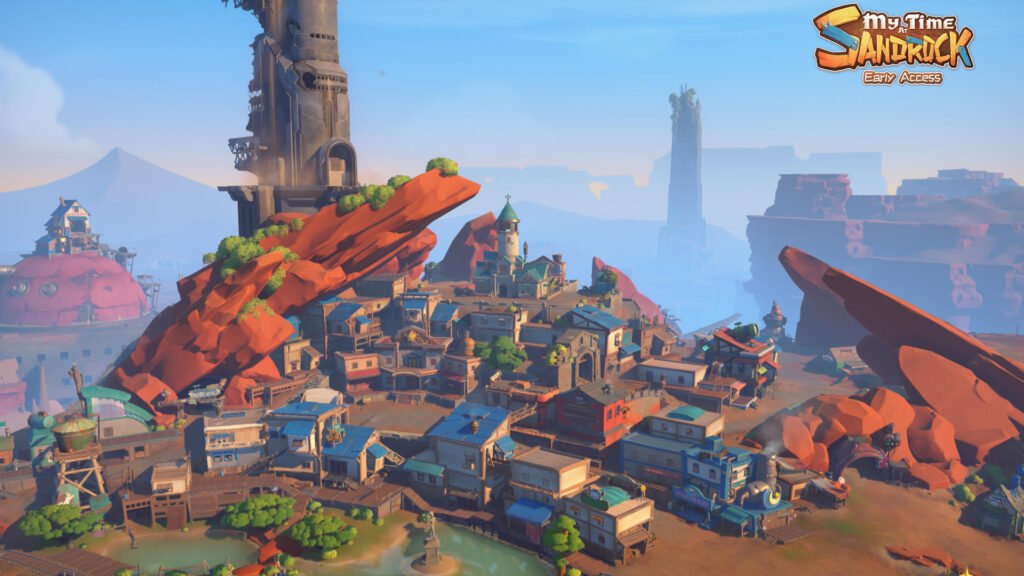
Set in a wholesome post-apocalyptic world, Sandrock focuses more on “Building” than farming. You are a Builder tasked with saving a desert town from drought and decline. The character writing is top-tier, with some of the best romance subplots in the genre. Its 2026 “Greenery” update allowed players to finally bring lush life back to the desert, offering a satisfying long-term goal that rewards players for their hundreds of hours of crafting and friendship.
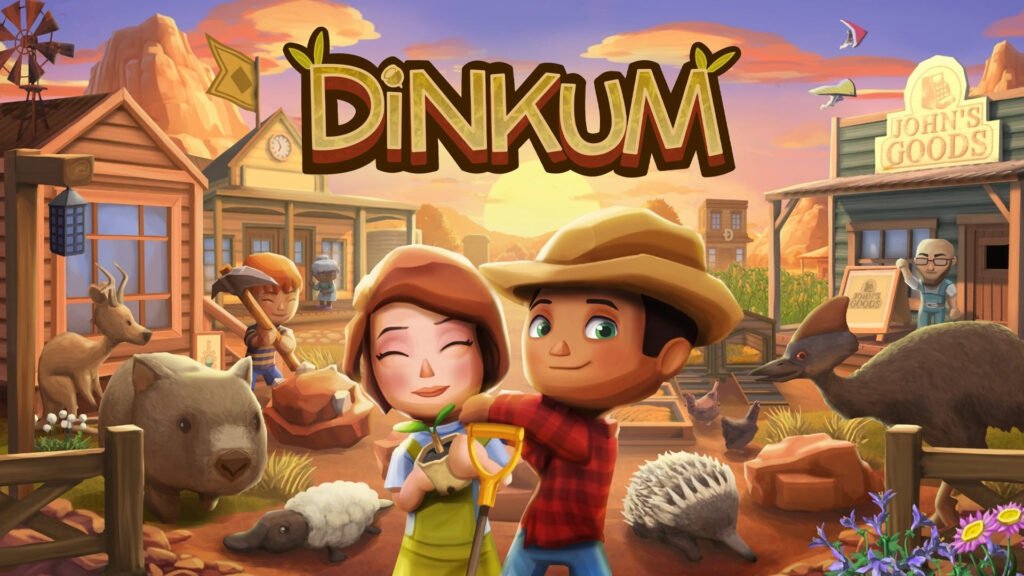
Imagine if Stardew Valley and Animal Crossing had a baby in the Australian Outback. Dinkum lets you build a town from scratch in a world filled with kangaroos, crocodiles, and emus. You have total control over the town’s layout, inviting new villagers to move in based on the facilities you build. It’s a 3D sandbox that prioritizes “Terraforming” and exploration. By 2026, its “Deep Under” expansion has added complex cave-diving systems that rival Stardew’s Skull Cavern in difficulty and rewards.
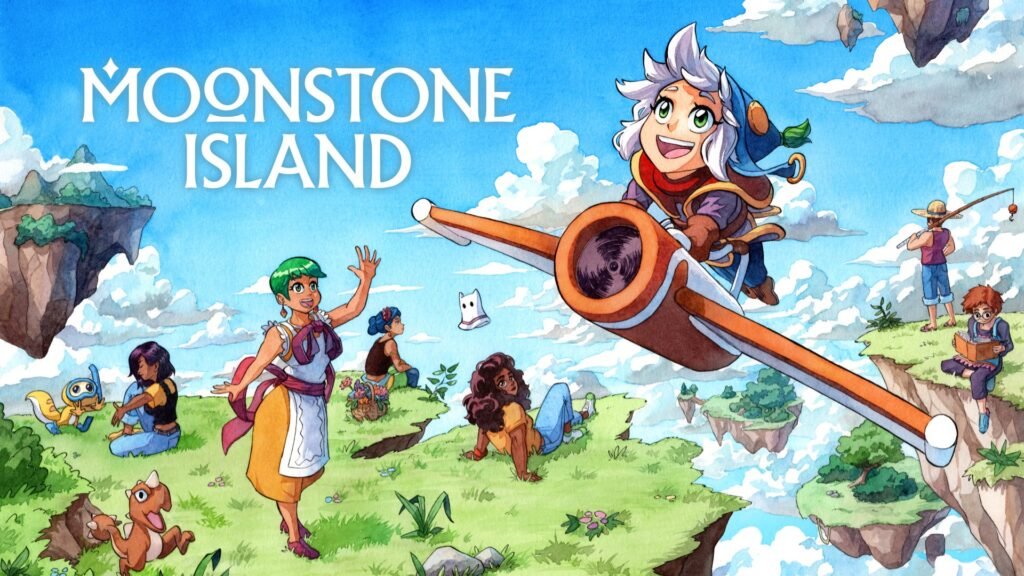
A “Creature-Collecting” farming sim. You live on a floating island and travel to 100 other procedurally generated islands to catch “Spirits” in card-based combat. It blends the deck-building of Slay the Spire with the cozy farming of Stardew. In 2026, it remains the best choice for players who want a “Catch ’em All” element to their daily farm routine. The social system is also surprisingly deep, with unique dates and gifts for every NPC.
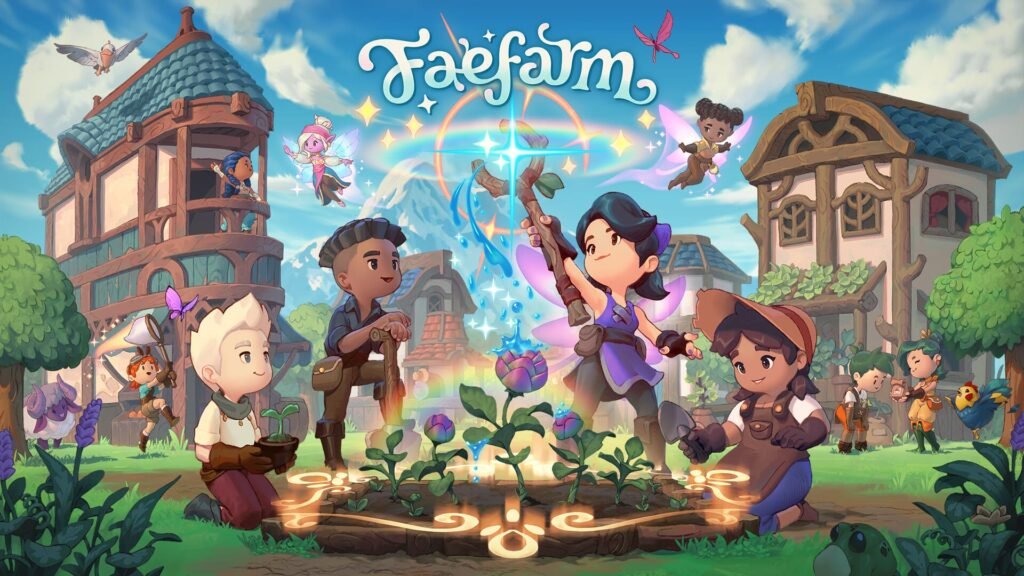
Fae Farm was built for co-op. It features a seamless drop-in/drop-out system where up to four players can manage a farm in the magical world of Azoria. It removes many of the “frustrations” of the genre—like having to switch tools manually—making it one of the smoothest playing games on this list. In 2026, its “Sky Realms” expansion added new vertical layers to explore, making it a great choice for families or groups of friends looking for a low-stress adventure.
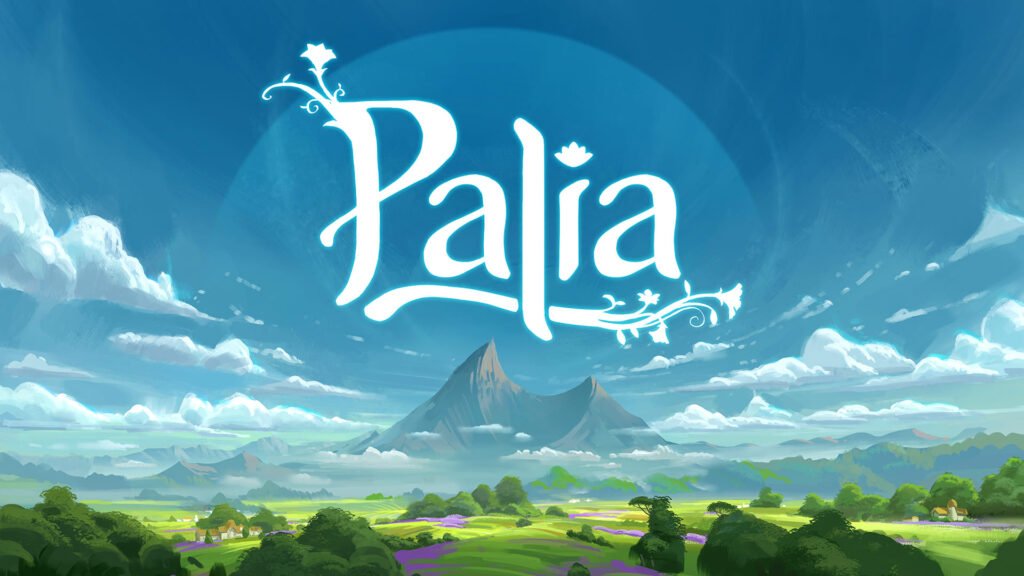
The first true “Cozy MMO.” Palia is a free-to-play world where you can build your dream home and farm alongside thousands of other players. There is no combat (unless you count hunting), and the focus is entirely on community and collection. In 2026, the game has matured significantly, with massive “Neighborhood” systems that allow players to form guilds and work toward massive shared goals, like building a community temple or a shared orchard.
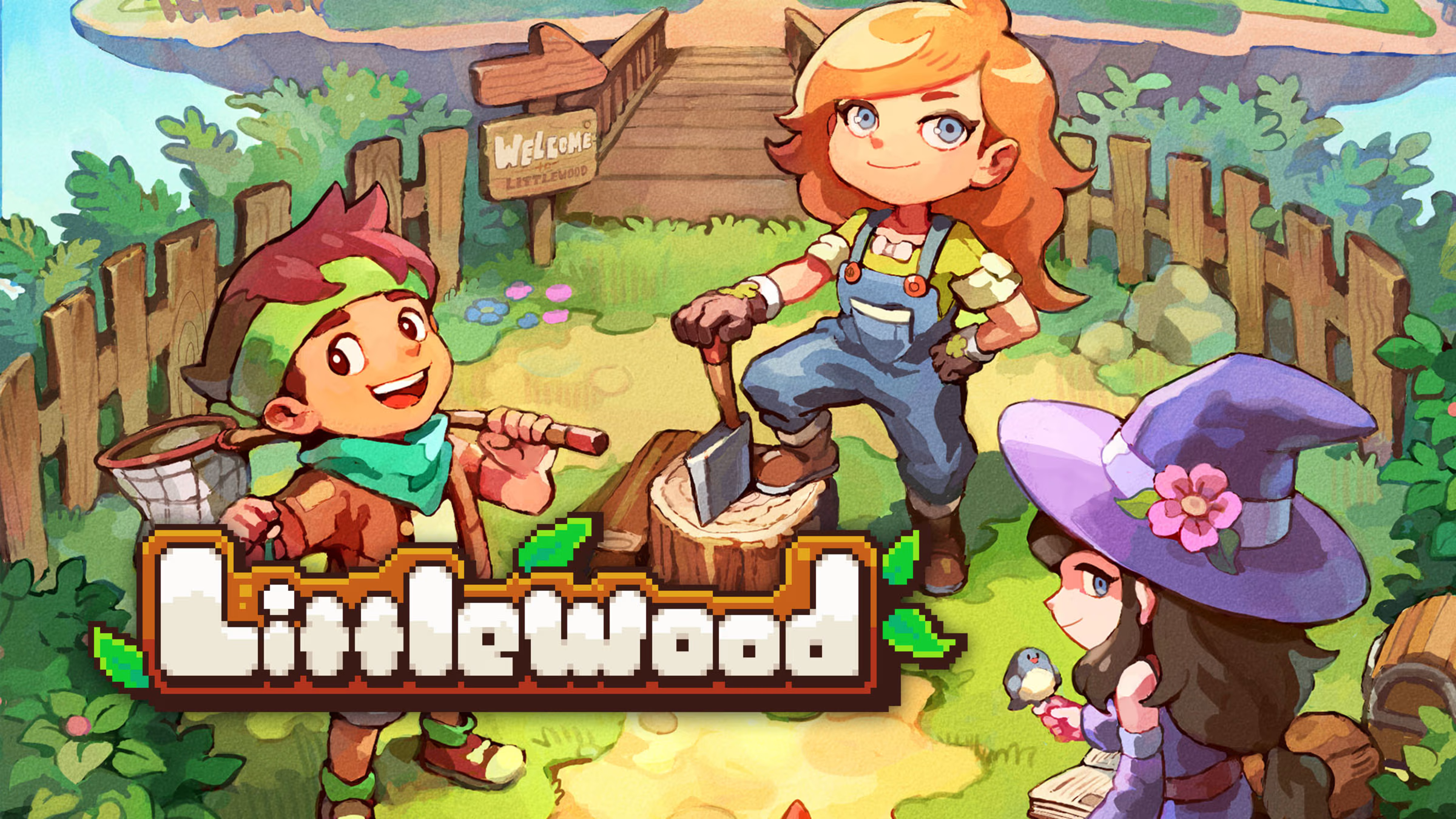
What happens after the RPG hero saves the world? They retire to build a town. Littlewood simplifies the farming loop to its most addictive elements. Time only moves when you take an action, removing the “stress” of the clock found in Stardew. You can terraform the entire world at any time, moving houses and rivers with a single click. It’s a “Pure Serotonin” game that focuses on the joy of progress without any of the punishment.
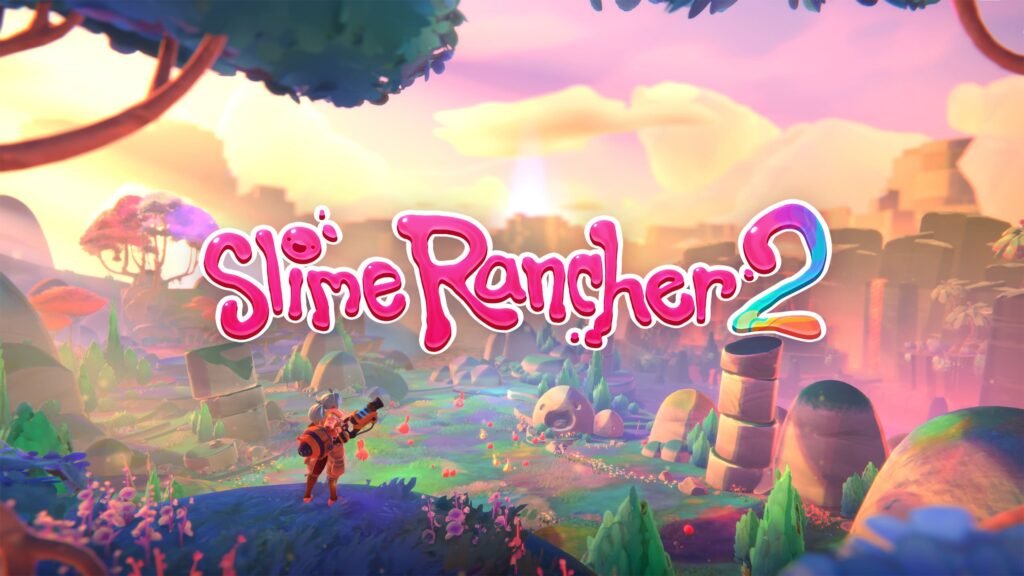
While it’s a first-person game, the “Cozy” vibes are undeniable. You travel to Rainbow Island to collect adorable, bouncy slimes and manage their “Plort” economy. The 2026 “Labyrinth” update added deep lore and new, complex slime types. It captures that “One More Day” loop perfectly, as you constantly upgrade your vacuum-gun and jetpack to reach new, beautiful areas of the island.
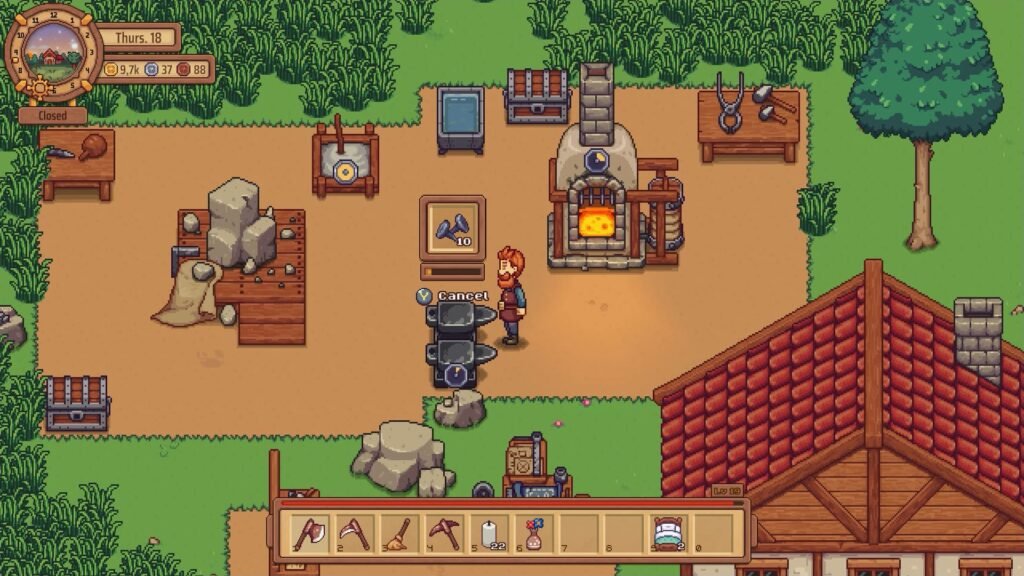
Ever wanted to run the Stardew Valley saloon? Travelers Rest is a tavern management sim with a heavy farming component. You grow your own hops, brew your own beer, and cook meals for the locals. You can customize your inn, hire staff, and deal with unruly customers. In 2026, the “Local Legend” update added a full town to explore outside your tavern, making it feel like a complete life sim rather than just a business tycoon.
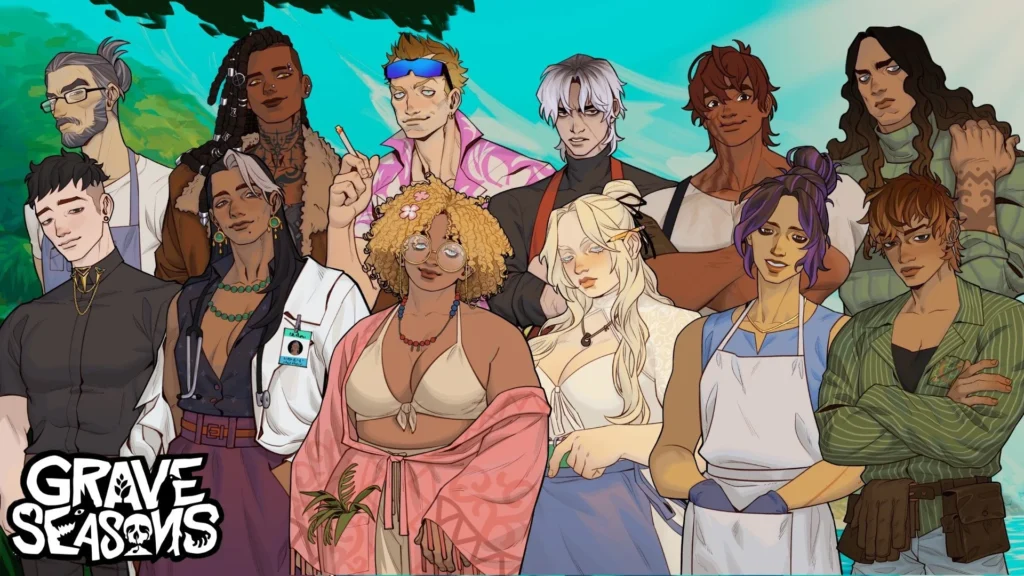
The “Ultimate Cozy Horror.” On the surface, it’s a standard farming sim: you grow crops and romance the locals. However, one of the townspeople is a supernatural serial killer. Each playthrough, the killer is randomized. You have to manage your farm while investigating the mystery before the town’s population is wiped out. It’s a brilliant 2026 cult hit that proves the “Cozy” genre can still have a very sharp, dangerous edge.
| Game | Primary Focus | Graphics | Difficulty | Key Feature |
| Stardew Valley | Balanced | Pixel | Low/Med | The OG Masterpiece |
| Fields of Mistria | Social/Magic | Pixel | Low | 90s Anime Style |
| Coral Island | Environment | 3D | Low | Ocean Diving/Restoration |
| Sun Haven | RPG/Fantasy | Pixel | Med | Magical Races & Spells |
| Roots of Pacha | Community | Pixel | Low | Prehistoric Inventions |
| Chef RPG | Culinary | Pixel | Med | Restaurant Management |
As of March 2026, Haunted Chocolatier has no official release date. Developer ConcernedApe (Eric Barone) has stated the game will be released “when it’s done,” as he is working solo while also supporting the massive 1.7 update for Stardew Valley.
Coral Island and Fae Farm are the top choices for couples in 2026. Coral Island allows for marriage between co-op partners, while Fae Farm features the most polished “Shared Progress” systems in the genre.
While Barone has said he wants to focus on Haunted Chocolatier, he continues to release “Surprise Updates” for Stardew. The 1.7 update in 2026 added significant endgame content and support for the Nintendo Switch 2, proving the game’s life cycle isn’t over yet.
Stardew Valley taught us that games could be a refuge. In 2026, that refuge has expanded into dozens of new worlds. Whether you want the nostalgic perfection of Fields of Mistria or the high-stakes mystery of Gave Seasons, there has never been a better time to be a fan of the “Slow Life.”