Physical Address
304 North Cardinal St.
Dorchester Center, MA 02124
Physical Address
304 North Cardinal St.
Dorchester Center, MA 02124

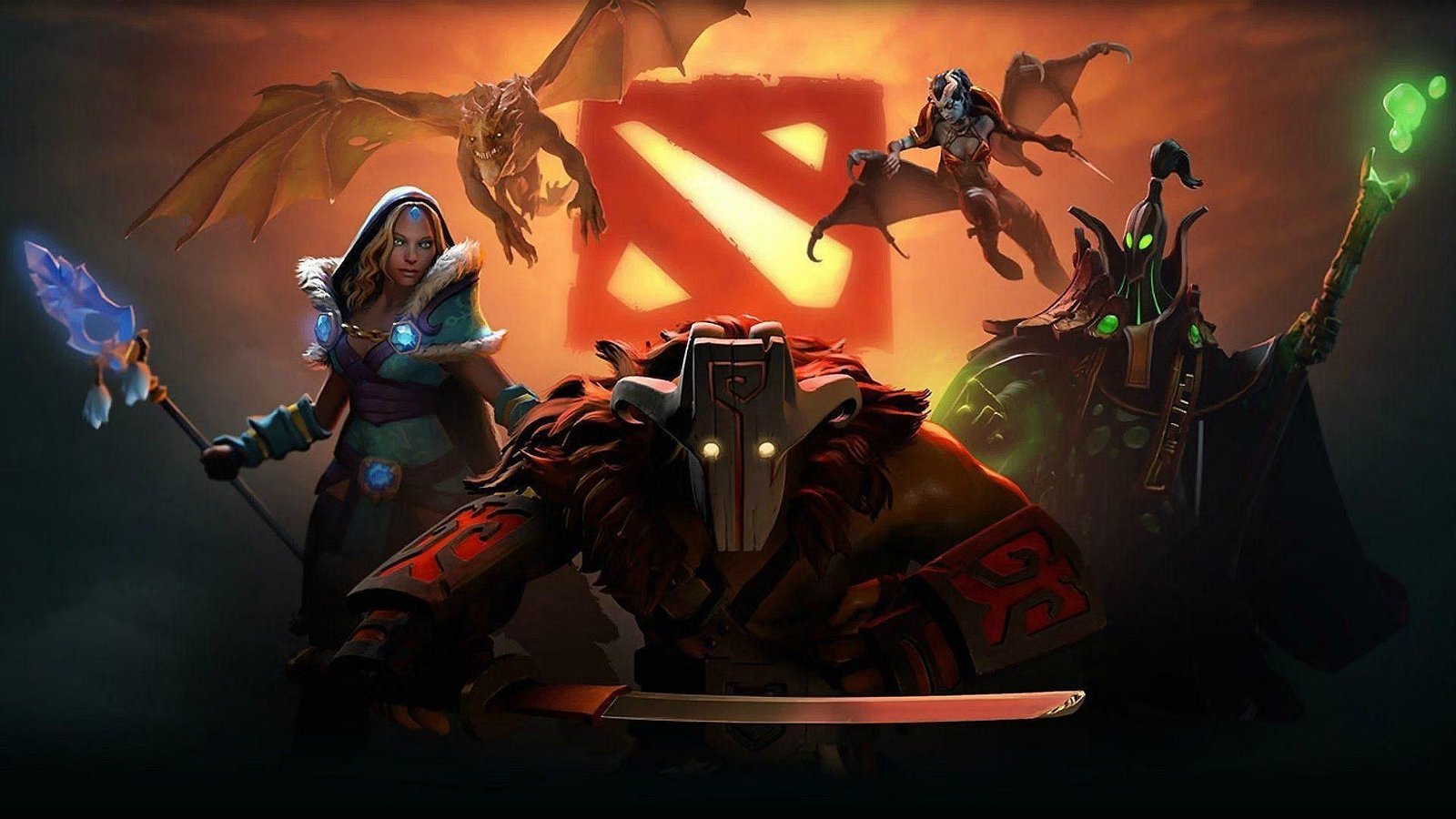
Dota 2 is often considered the “final boss” of the MOBA genre. With its punishing mechanics like creep denying, complex item actives, and a massive map with high-ground advantages, it appeals to players who crave deep strategic mastery. However, by 2026, the “Action RTS” world has expanded. Whether you want a game that captures Dota’s tactical depth in a new perspective, a faster mobile experience that doesn’t sacrifice complexity, or a hybrid that mixes shooting with spell-casting, there are several titles that can scratch that specific itch. Here are the 20 best games like Dota 2 for the modern tactician.
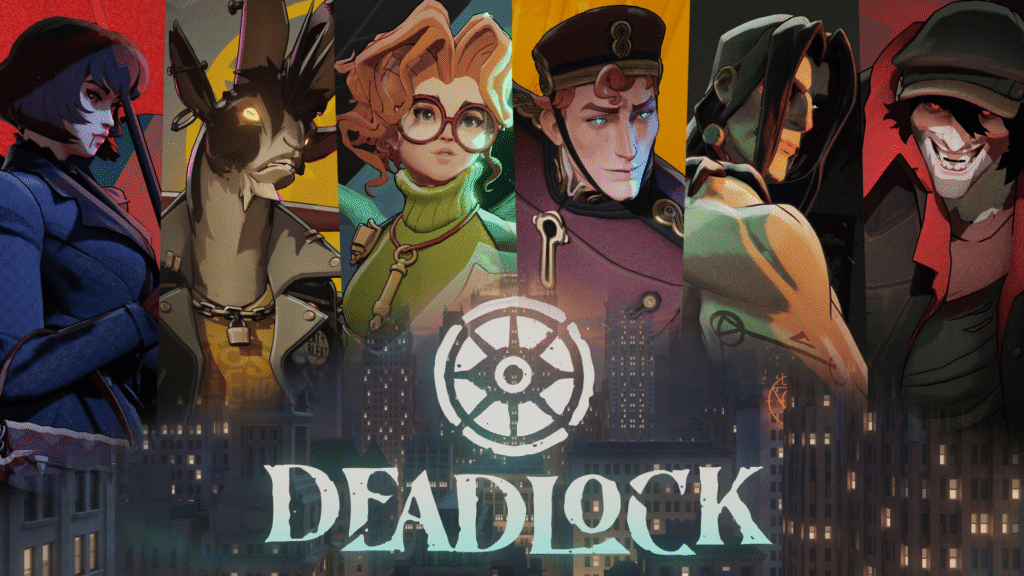
If you want a game made by the same geniuses behind Dota 2, Deadlock is your primary destination in 2026. It is a 6v6 hero shooter that functions exactly like a MOBA. It features four lanes, “souls” to farm, and towers to siege, but moves the camera to a third-person view. Many Dota 2 mechanics have been “translated” here: you have a complex shop with active items, a mid-game “boss” that grants team-wide buffs, and a high-ground meta that is even more important because you can actually fly and jump. For a Dota player, the “Macro” skill (knowing when to push, farm, or rotate) translates 1:1, making it the most exciting transition for veteran players this year.

League of Legends is the obvious alternative, but in 2026, the gap between the two is defined by “pacing.” While Dota 2 is a game of attrition and long-term strategy, League focuses on mechanical speed and “twitch” reactions. League’s 2026 updates have refined the “Augment” system, allowing for more build diversity similar to Dota’s Talent Trees. It lacks mechanics like “denying” or “turn rates,” which makes the game feel much faster and more responsive. If you love the 5v5 team-fight dynamic but want matches that end faster and feel “snappier,” League remains the premier secondary home for any MOBA fan. Check this list of games like League of Legends
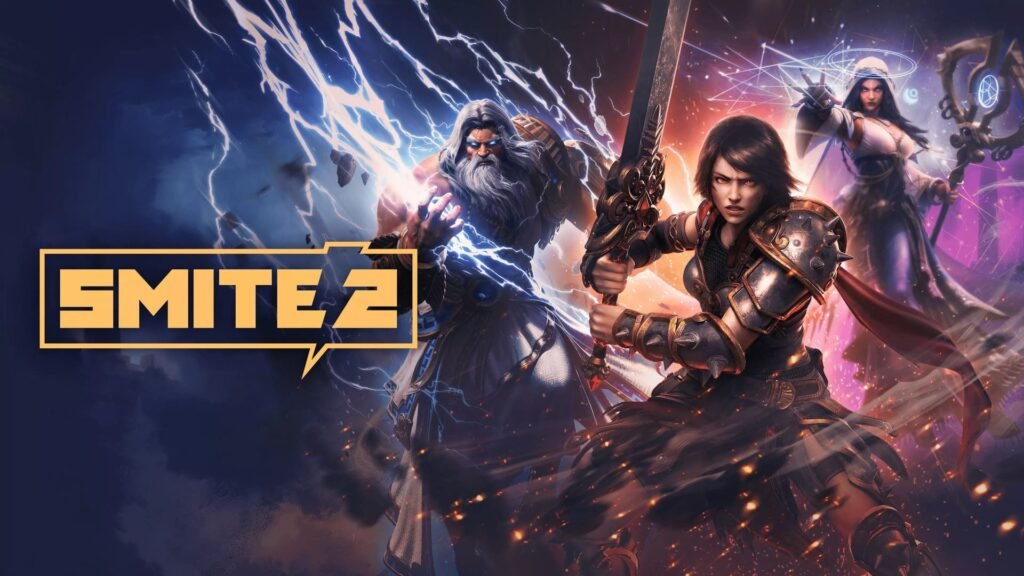
Smite 2 has taken the mythological battleground to a new level in 2026 using Unreal Engine 5. It retains the third-person “over-the-shoulder” view but has added significantly more complexity to its item system to appeal to Dota 2 fans. The new “Strength and Intelligence” scaling allows for wild build paths—you can build a traditionally “tanky” god like Ymir into a high-damage magical assassin. The game rewards “aiming” your basic attacks and skill-shots, adding a layer of physical skill that isn’t present in top-down MOBAs. It’s perfect for players who want the strategic depth of a shop and laning phase but with the immersion of an action game.
Don’t dismiss Mobile Legends as just a “casual” game; by 2026, its “Pro Rank” and “Mythic” tiers offer some of the most intense tactical gameplay on any platform. While the matches are short (10–15 minutes), the speed of rotations and the “Objective Meta” are incredibly demanding. The 2026 “Project NEXT” update has added more complex jungle mechanics, including randomized buffs that require players to adapt their strategy on the fly—much like Dota’s “Neutral Items.” It’s the best choice for a Dota 2 fan who is traveling or only has a short break but still wants to engage in high-level competitive drafting and execution.
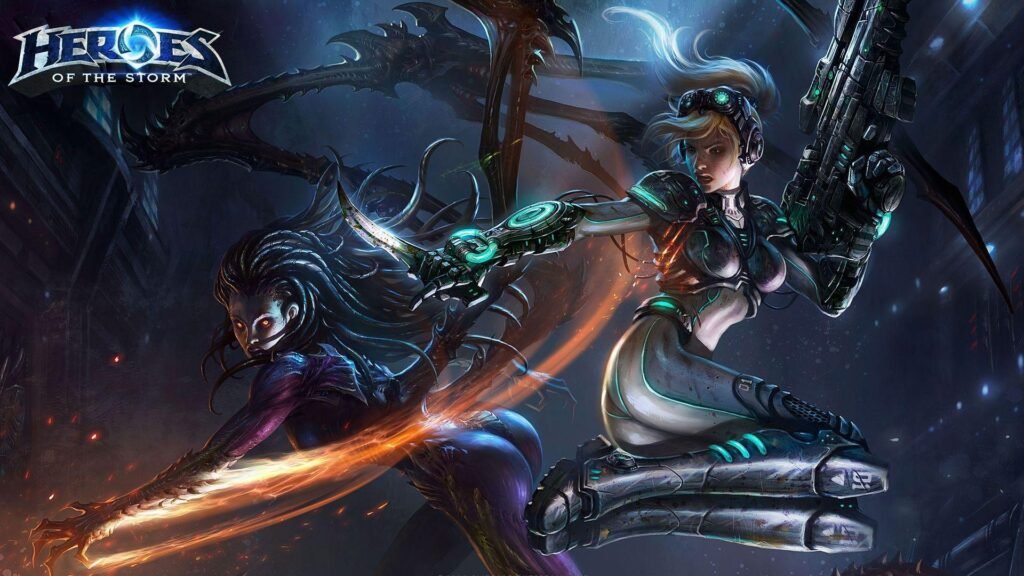
Heroes of the Storm (HotS) is the “Anti-Dota” in many ways, but it appeals to players who love the team-fight aspect of Dota above all else. There is no individual gold or item shop; instead, your whole team shares experience. This sounds simple, but it creates a “Macro” game where your team must constantly choose between soaking experience in lanes or grouping for powerful map objectives. In 2026, a dedicated community-driven “Legacy Server” has kept the game thriving with balance patches. If you find the “farming” part of Dota 2 tedious and just want to get to the 5v5 brawling, HotS is unmatched in its focus on team synergy.
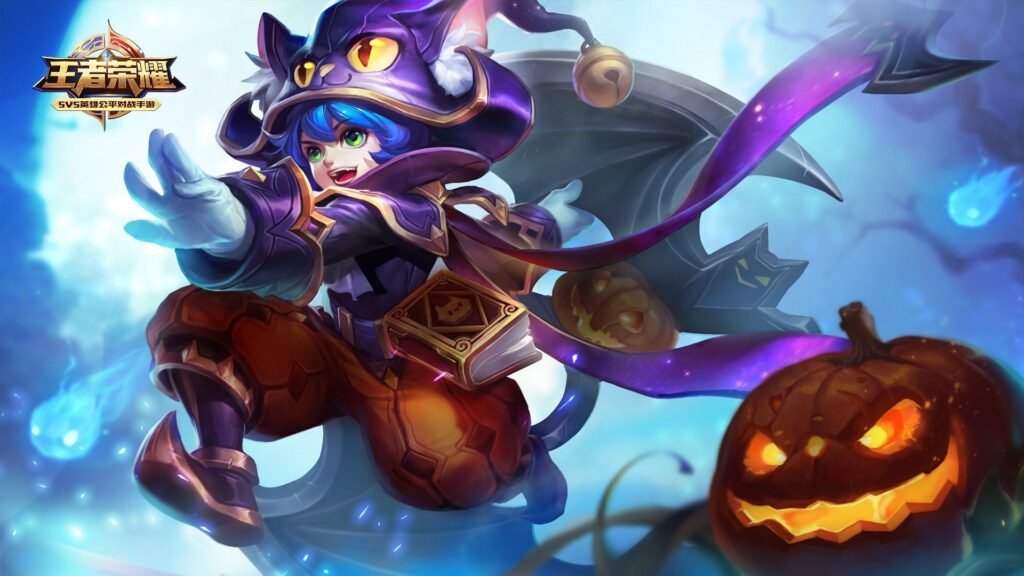
As the highest-grossing MOBA globally, Honor of Kings arrived fully on Western shores by 2025/2026. It features a level of polish and balance that rivals Valve’s work. The game is known for its “Roaming” meta, where the Support role is incredibly active, moving across the map to influence lanes just like a Dota 2 “Position 4” player. The heroes are based on Chinese history and myth, offering unique mechanics like “terrain-surfing” and “time-reversal.” For Dota fans, the high-production value and the massive competitive player base make it a serious alternative for ranked grinding.
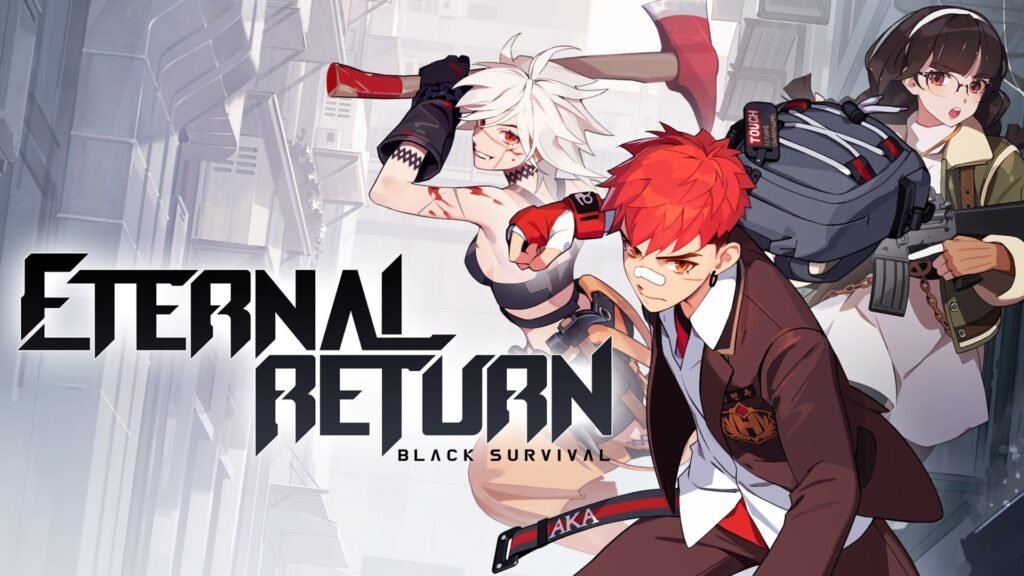
Eternal Return is what happens when you mix a MOBA with a Battle Royale. You and your team are dropped onto an island where you must “craft” your weapons and armor by scavenging materials while fighting other players. It uses the top-down, click-to-move controls of Dota 2, so the combat will feel instantly familiar. The 2026 “Official Launch 2.0” has balanced the crafting so it’s less about “speed-looting” and more about “tactical positioning.” It’s a great fit for Dota 2 players who enjoy the “itemization” and “power-spike” management aspects of a match.
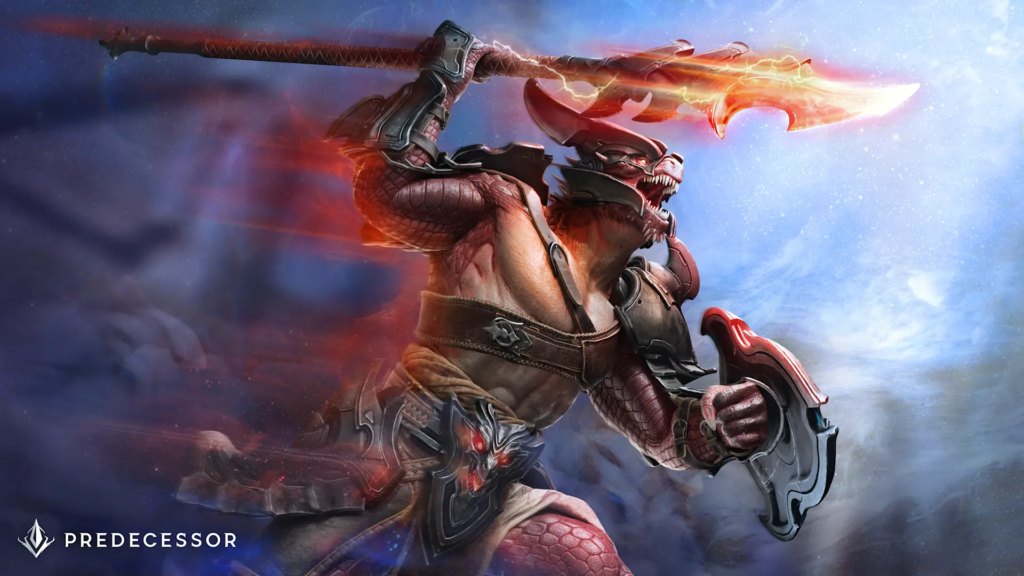
Predecessor is a 3rd-person MOBA built on the bones of the defunct Paragon. It is visually stunning in 2026, offering a level of verticality that Dota players will appreciate. You can hide in “fog walls” (similar to Dota’s trees/fog of war) to ambush enemies, and the jungle is a complex, multi-layered labyrinth. The item system is deep, featuring “Actives” that can change the tide of a battle, much like a well-timed Black King Bar or Blink Dagger. It’s the most “hardcore” of the third-person MOBAs, emphasizing slow, methodical laning and massive, high-stakes team fights.
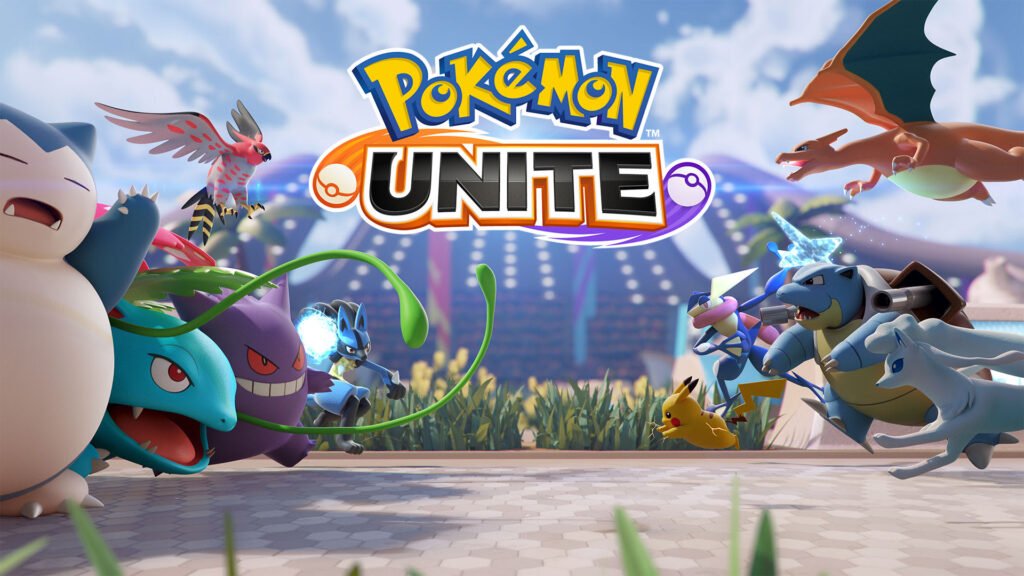
Pokémon Unite is the “entry-level” MOBA, but its 2026 “Master League” is surprisingly competitive. It replaces the “Nexus” with “Goal Zones” where you must dunk points. While it lacks the complexity of Dota’s item shop, the “Battle Item” and “Held Item” systems allow for specific hero builds. It’s a great “mental break” game for Dota players; it’s colorful and fast, but still requires map awareness, objective timing (Rayquaza is the “Roshan” of this game), and team coordination to win at high levels.
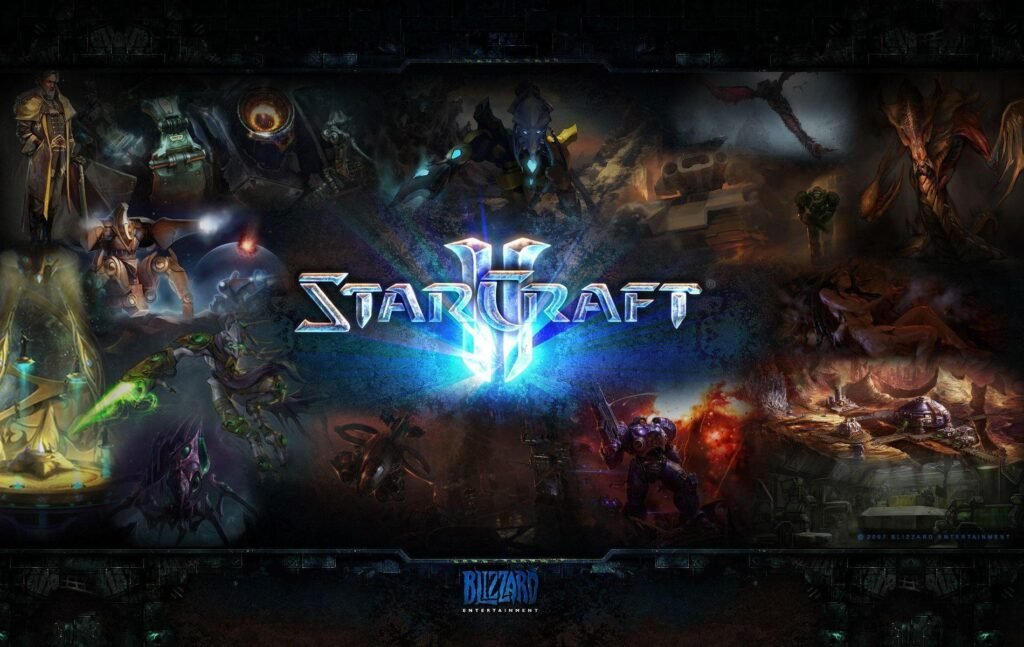
Dota originally started as a mod for Warcraft III, and that spirit lives on in the StarCraft II Arcade. In 2026, custom maps like “Desert Strike” and various MOBA-inspired mods offer a “Pure RTS” take on the genre. Since Dota players are already used to high APM (actions per minute) and unit micromanagement, StarCraft’s competitive ladder or its hero-focused custom maps provide a familiar but even more mechanically demanding challenge. If you miss the “Micro” of playing heroes like Meepo or Chen, StarCraft II is the ultimate test of your hands and brain.
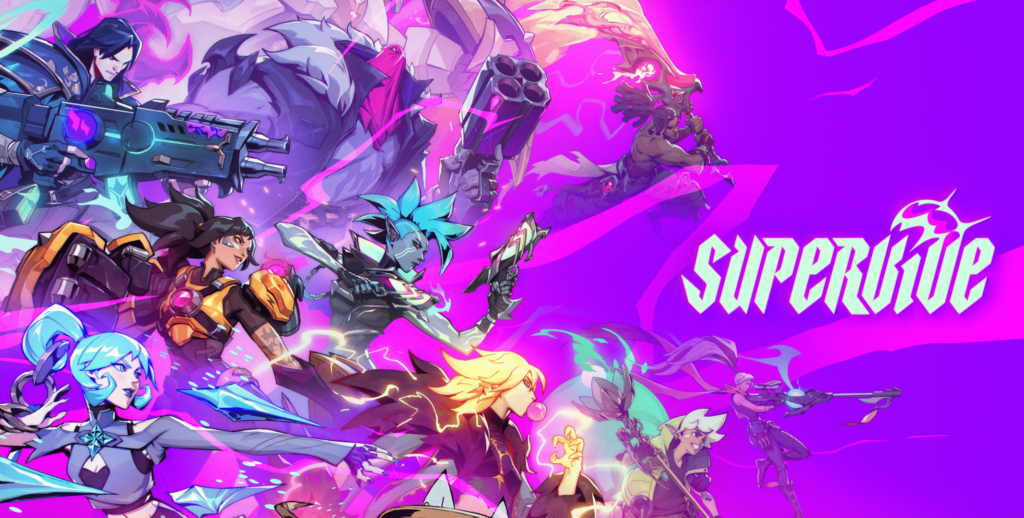
Supervive is the 2026 breakout hit that describes itself as a “10,000-hour hero-based battle royale.” It features the top-down combat of a MOBA but with the movement and scale of a survival game. You can jump, glide, and interact with the environment in ways Dota 2 doesn’t allow. For Dota fans, the draw is the “Hero Kits”—every character has a distinct, high-impact set of abilities that require precise execution. It feels like a “best of” compilation of MOBA team-fighting set on a giant, ever-changing map.
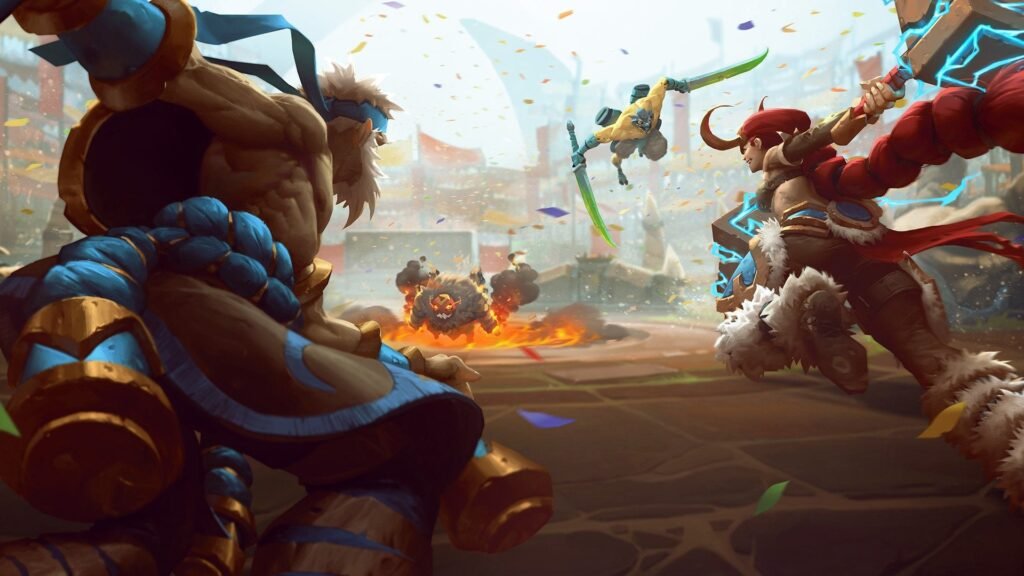
Battlerite is for the Dota player who hates “farming” and just wants to “clash.” It is a pure team-based arena brawler with no lanes or towers. Every ability is a skill-shot, meaning you have to manually aim your heals and attacks. In 2026, the community “Pro League” has kept the game’s competitive spirit alive. It’s the best way to train your “Micro” and reaction times for Dota, as it strips away everything except the raw mechanical skill required to win a 2v2 or 3v3 engagement.
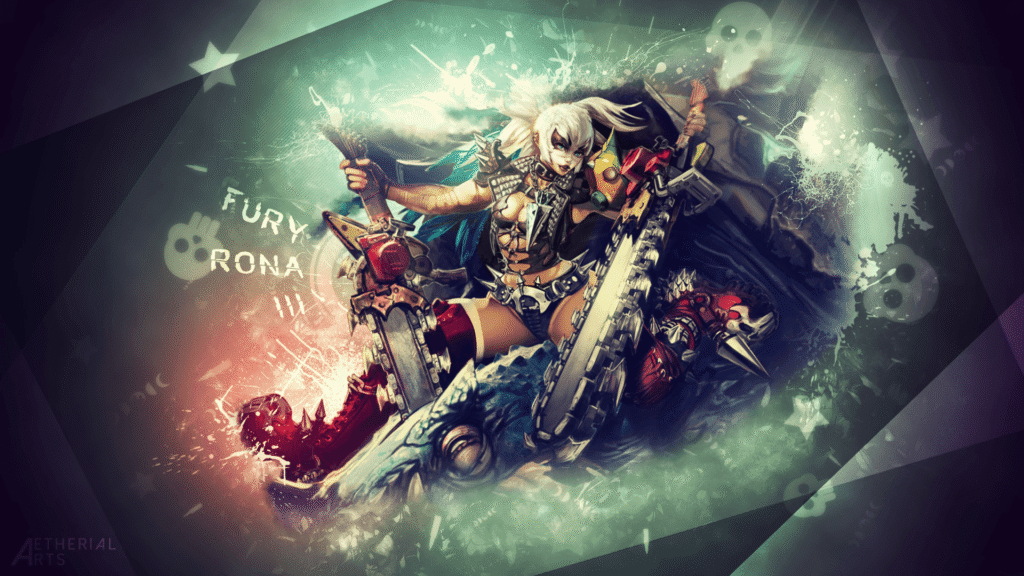
Vainglory remains a cult classic in 2026 for its “Touch Controls” that offer precision rivaling a mouse and keyboard. Its 3v3 mode is legendary for its balance and the “Kraken” objective, which can be captured to siege enemy towers. For Dota fans, Vainglory’s art style and “serious” tone are much closer to Valve’s aesthetic than the cartoony look of League or Pokémon. The “Community Edition” allows players to host their own servers, ensuring this high-fidelity MOBA remains playable for the purists who appreciate its unique mechanics.
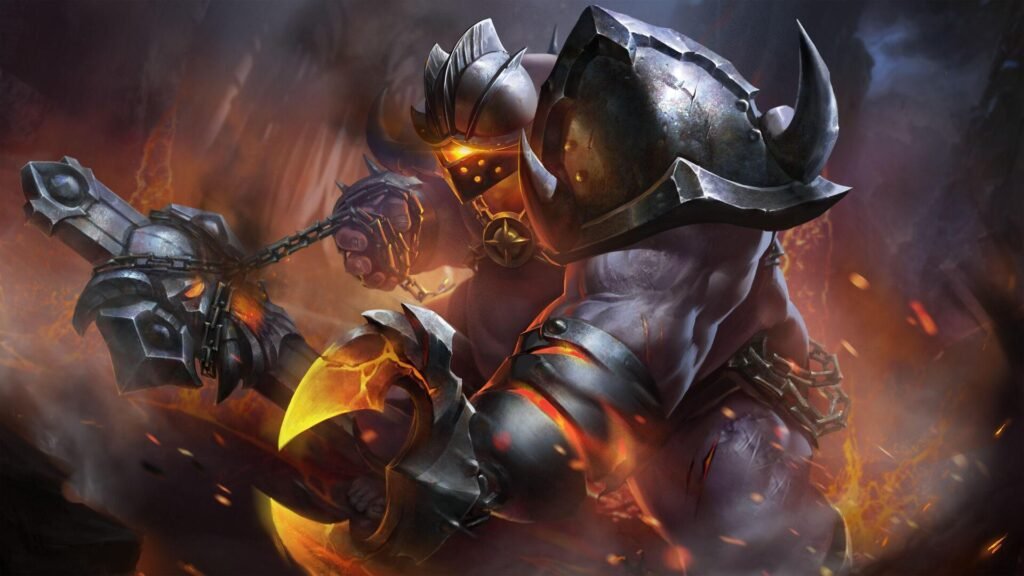
Arena of Valor (AoV) is the international counterpart to Honor of Kings and features a very similar gameplay loop. It’s known for its high-speed 5v5 matches and collaboration with major brands (like the DC Universe). In 2026, the game’s “Evolution” system allows heroes to upgrade their skills in different directions as they level up, offering a simplified version of Dota 2’s Talent Trees. It’s a polished, reliable mobile MOBA for players who want a traditional 3-lane experience on the go.
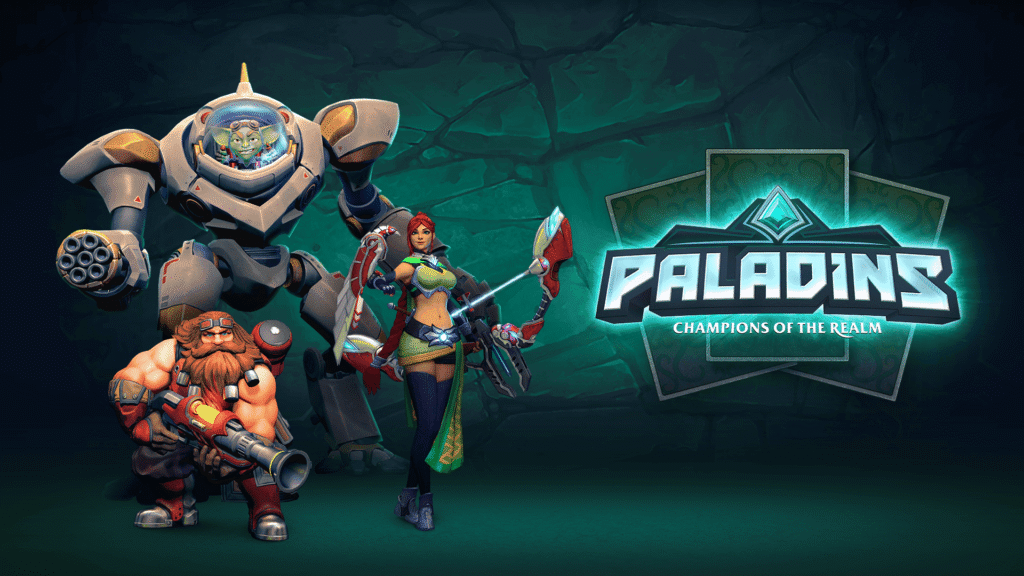
While it’s a “Hero Shooter,” Paladins shares more DNA with Dota 2 than Overwatch does. You cannot switch characters mid-game, and you must “buy” items during the match to counter your opponents. For example, if the enemy has a lot of “Crowd Control” (stuns/slows), you buy “Resilience”—essentially the Paladins version of a Black King Bar. In 2026, the game’s “Siege Beyond” mode has introduced even more MOBA-like features, including a shop that is deeper than ever, making it a great bridge between the shooter and strategy genres.
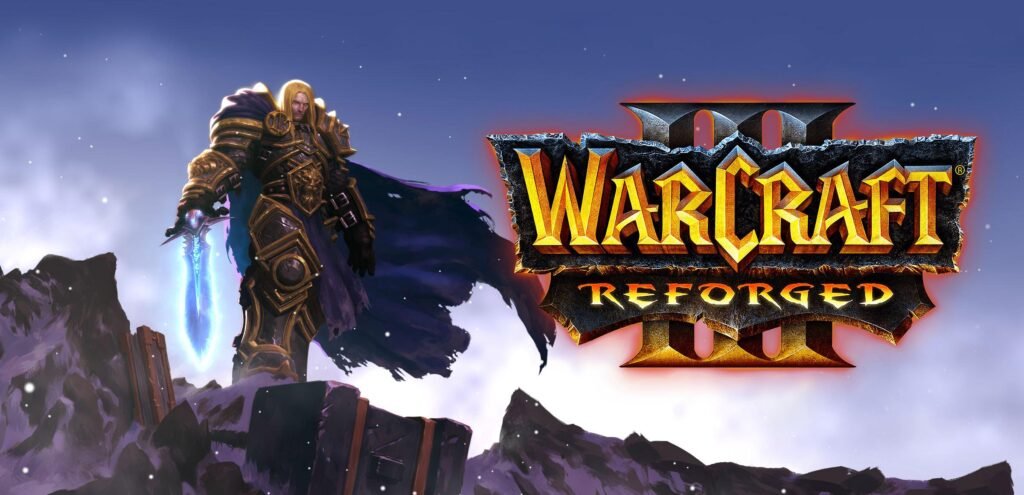
You can’t talk about games like Dota 2 without mentioning its birthplace. In 2026, Warcraft III: Reforged has stabilized, and the custom map scene is as vibrant as ever. You can play the original “Dota Allstars” or hundreds of other “Hero Defense” and MOBA-lite maps. For a Dota 2 player, this is a “history lesson” that still plays remarkably well. The engine’s unique quirks—like “unit collision” and “mana management”—are the foundation of everything you love about modern MOBAs, and the variety of custom content is nearly infinite.
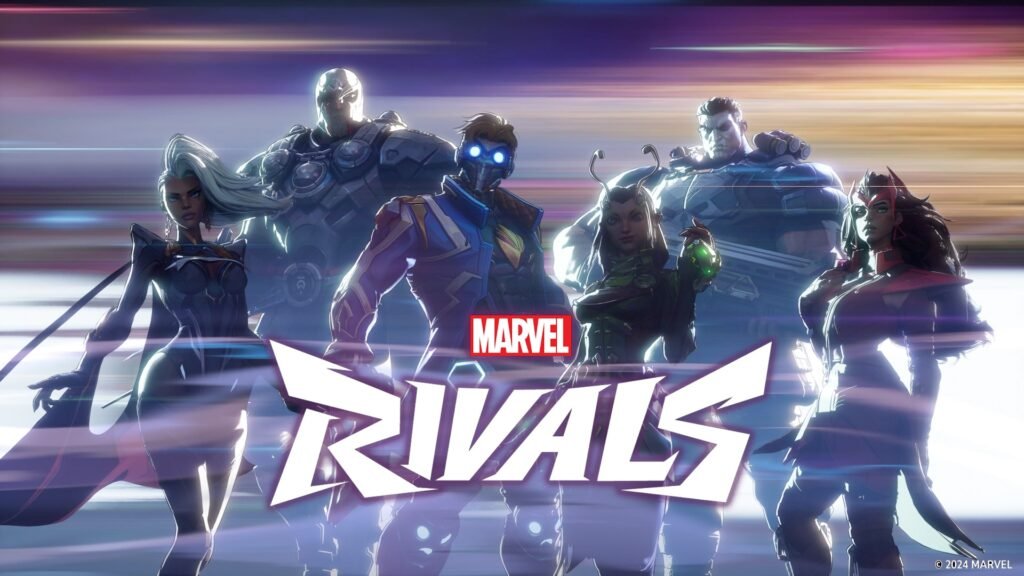
Marvel Rivals is a 2026 heavyweight that captures the “Super-Powered Team-Fight” feeling. While it’s a 6v6 shooter, the way abilities interact feels very much like a Dota combo. The “Team-Up” mechanic allows specific heroes to buff each other, creating a layer of “Drafting” strategy where picking the right combination of heroes is just as important as how well you aim. If you love the “wombo-combo” potential of heroes like Enigma or Magnus, you’ll find that same satisfaction in Marvel Rivals when you time your ultimates together to wipe an enemy team. Check this list of games like Marvel Rivals.
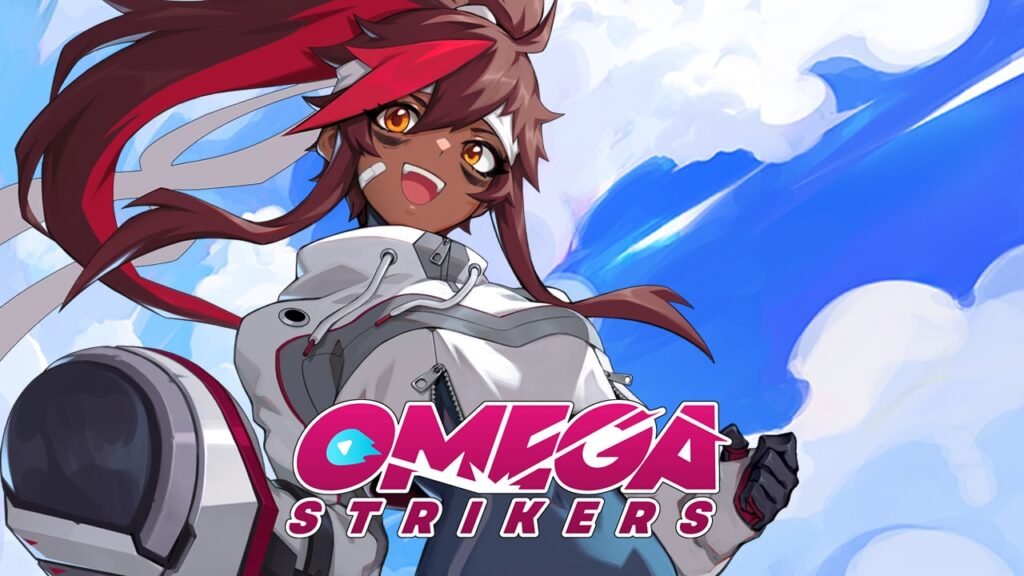
Omega Strikers is a 3v3 “Foot-Brawler” that uses MOBA-style abilities to knock a puck into a goal. While it’s not a “battle” in the traditional sense, the positioning and ability usage are pure MOBA. You have to “zone out” enemies, “peel” for your teammates, and “burst” down the puck at the right moment. It’s incredibly fast and rewards the same “predictive” thinking that a high-level Dota player uses to land a difficult skill-shot. It’s a fantastic, non-toxic alternative for when you want a competitive fix without a 40-minute commitment.
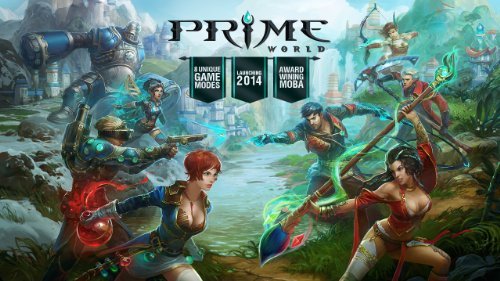
Prime World blends MOBA combat with persistent RPG elements. Between matches, you build and upgrade your own castle, which provides permanent buffs to your heroes. The matches themselves feature a “Terraforming” mechanic—planting “flags” allows your team to “claim” parts of the map, giving you a statistical advantage in those areas. This adds a layer of “Territory Control” that Dota 2 players (who are used to fighting for ward vision and map control) will find deeply engaging and familiar.
Brawl Stars might look simple, but at high levels, it’s a masterclass in “spacing” and “resource management.” Matches are 3v3 and focus on controlling an objective (like a gem mine or a ball). Every “Brawler” has a unique “Super” ability that can be “clutched” to win a fight. For a Dota player, it’s the ultimate “Micro-Trainer.” Because you only have one move and one attack, your positioning has to be perfect. In 2026, it is the most popular mobile game in the world for a reason—it’s pure, distilled competitive fun.
Q: Which game on this list is the most “difficult,” like Dota 2? A: Deadlock and StarCraft II. Deadlock brings the complexity of Dota’s item shop and laning into a 3D space, while StarCraft II requires even higher mechanical input (APM).
Q: Are there any MOBAs with “denying” like Dota 2? A: Most modern MOBAs (League, Smite, Mobile Legends) have removed denying to make the game faster. However, Dota 1×6 (a custom mode in Dota 2) and some Warcraft III maps still feature this mechanic.
Q: What’s the best “Dota-like” for someone with very little time? A: Brawl Stars or Pokémon Unite. Both games have match times under 10 minutes but still offer ranked ladders and strategic depth.
Dota 2 will always be the “Old Guard” of strategy games, but the landscape in 2026 offers so many ways to experience that same thrill of out-thinking and out-playing an opponent. Whether you’re moving to the skyline of Deadlock or the fast-paced lanes of Honor of Kings, the “tactical mind” you’ve built in Dota will be your greatest weapon.
What’s your favorite “BKB-moment” in gaming? Let us know which alternative you’re trying next in the comments!